

Echinocactus grussonii
Are all cacti sun-loving, or are there some that prefer to be protected from the sun's rays? We've been told countless times that these plants need to be placed outdoors, in an area where they are directly exposed to sunlight, but... is that true?
Well, in the vast majority of cases, yes, that's true, but there are certain exceptions that are important to know so that we don't lose our copy as soon as we buy it.
Cacti are native to the Americas, both North and South, with the vast majority of species found in Latin America, where they grow in open fields with relatively little rainfall and intense sunlight due to their proximity to the equator. For this reason, when placed indoors, they tend to become etiolated in search of light , as indoor lighting is insufficient to meet their light requirements, since they are heliophiles (sun-loving).
But no. You don't have to put them directly in the sun if they were protected at the nursery or if they've been indoors for a while : they'd get sunburned! Even if they're genetically suited to sunshine, if they're not used to it, they'll weaken considerably—in fact, significantly—if you don't take precautions. And what precautions are those? Basically, you have to expose them to sunlight gradually , starting in autumn or late winter when the sun's intensity is lower.
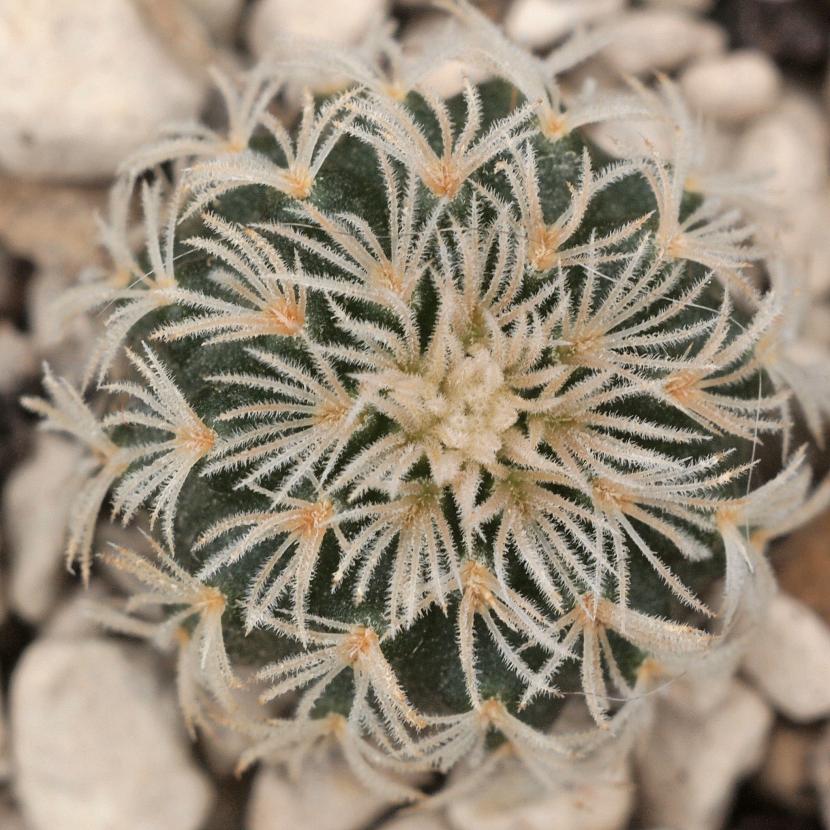
Frailea densispina. Image from Flickr/DornenWolf
For one week, leave them exposed to direct sunlight for two hours in the morning or afternoon. The following two weeks, reduce the exposure to three hours, then to four hours, and so on, gradually increasing the time until they are exposed to sunlight 24 hours a day. However, be careful not to follow this rigidly: if you see your cacti starting to burn, protect them and slow down the exposure so they can strengthen at their own pace.
If you have any questions, don't leave them unanswered. Ask.