

Image - Wikimedia / Zeynel Cebeci
Agaves are plants frequently cultivated in dry gardens. They are equally resistant to drought and extreme heat, which can reach 45-50ºC. But of all the varieties available, if you're looking for a lesser-known one that stands out for its color, we recommend Agave parryi.
This is a species that you can grow in a rockery for example, but it will also look great in a large pot. The only negative thing that can be said about this plant is that it only blooms once in its life and then dies, but a few years pass until the time comes.
Origin and characteristics of Agave parryi
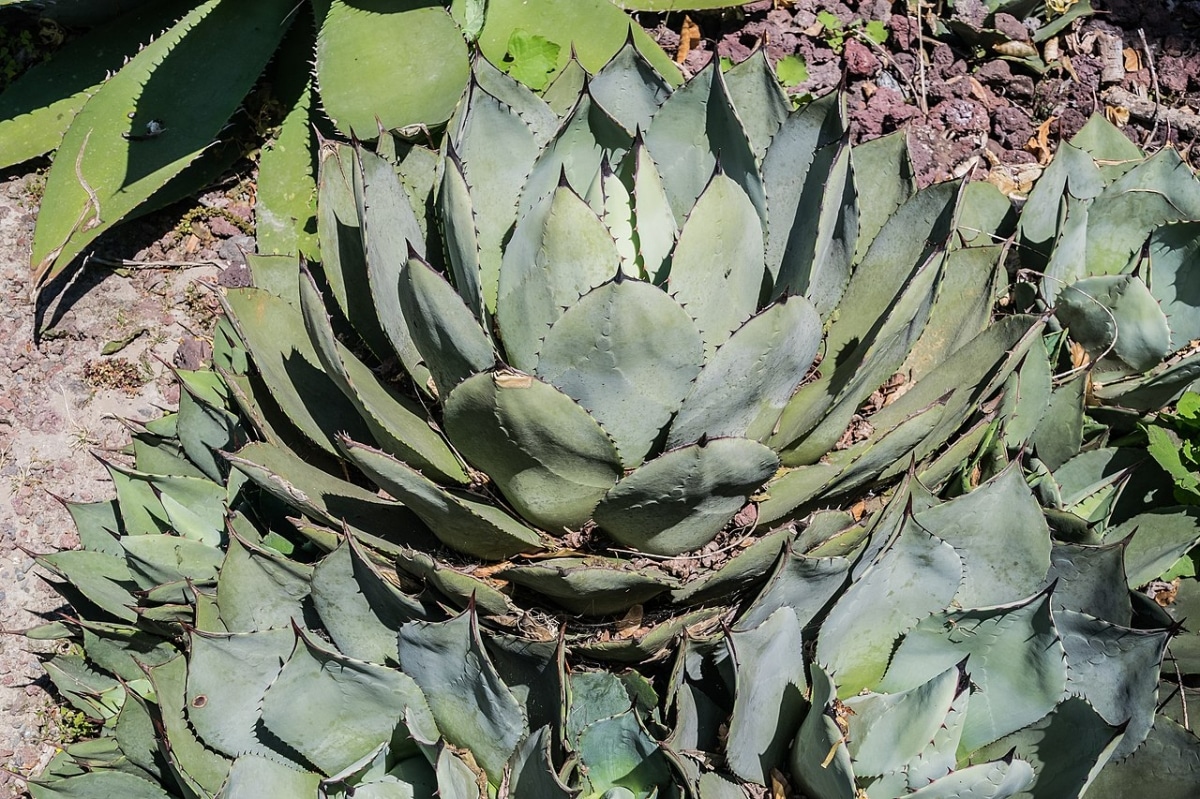
Image - Wikimedia / Krzysztof Golik
Agave parryi , commonly known as maguey or agave, is a succulent species that grows in the United States and Mexico. Its leaves grow in rosettes and are very tough, with spiny margins. These spines are short along the margin but longer at the tip. As mentioned earlier, it flowers once before dying, producing a flower stalk up to 3 meters tall, from which clusters of yellow flowers emerge.
It is a gray-green plant, a color that contrasts very well with the black of its thorns. That is why it is ideal to break a bit with the monochrome that usually exists in gardens.
How do you take care of yourself?
It's a very hardy species, suitable for beginners and those who don't have time to care for demanding plants. However, it's important to keep in mind that it's very sensitive to overwatering , so it should be planted in light, fast-drying soil.
Furthermore, if you choose to keep it in a pot, you must find one large enough for it to continue growing; otherwise, it will remain small. In any case, below we will explain how to care for Agave parryi :
Location
It needs plenty of light; in fact, it should be grown in a sunny spot from a very young age. Even the seedlings can be kept in the sun. All agaves, including our main subject, need direct sunlight all day long, or at least half a day. Only in this way will your plant grow well.
If you are going to have it in the garden, put it in a place where it can have a correct development. Plant it about 50 centimeters from the wall or walls, and at least 2-3 meters from trees. This way you will get it to grow straight and exposed to the sun.
Earth
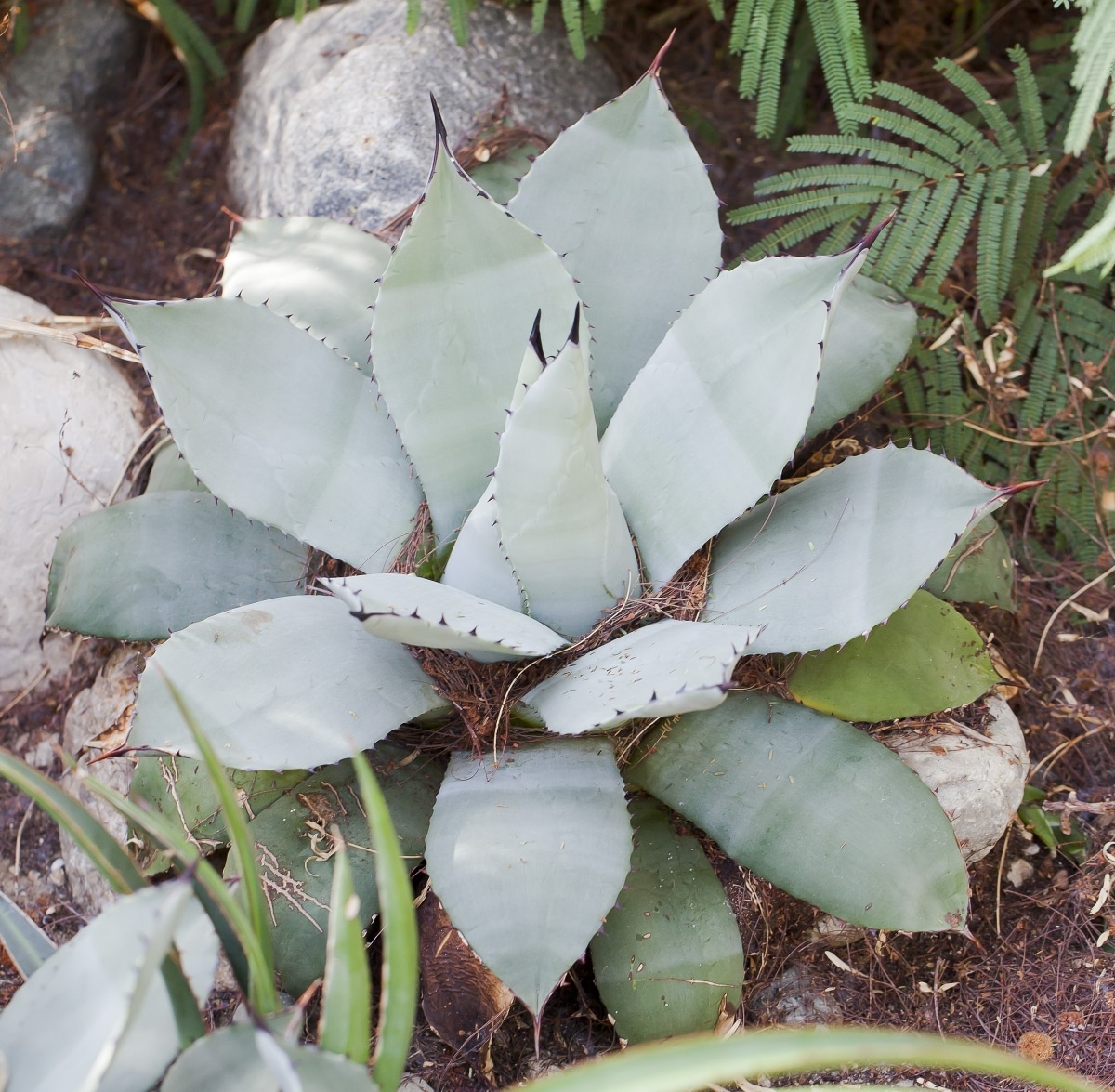
Image - Wikimedia / Diego Delso
- In the garden: it is a plant that has to be in a light and well drained soil. In those that are heavy, the water takes longer to drain, so they remain wet longer, which is just what the roots of the Agave parryi they do not want to. Therefore, if your soil is like this, that is, heavy, compact and with a tendency to flood, you have to make a planting hole one meter deep by 50 centimeters in diameter, and then add a layer of 30-40 centimeters of volcanic clay, construction gravel, or some similar material. Then you can plant it with soil for succulents and cacti.
- Potted: the substrate must be equally light. If it retains water for a long time, it will be harmful to the roots and, consequently, also to the plant. Therefore, we advise putting soil for succulents (for sale here), or with a mixture of universal substrate with perlite in equal parts. By the way, the pot must have holes in its base so that the water can come out.
Irrigation
Agave parryi only needs to be watered a few times a week. In summer, when it's hotter, you can water it once or at most twice, but only if the soil is dry . Remember that it tolerates drought very well, but not overwatering. So, if you're unsure, the best thing to do is wait a little longer before watering your plant. Trust me: it won't be harmed. Even if it were thirsty, it wouldn't be a problem, because it would recover quickly once you rehydrate it.
A very different case would be for us to water it frequently. Then its roots would suffer irreversible damage and, in serious cases, it would be difficult to recover it. Therefore, we only have to water occasionally.
Subscriber
You can fertilize it with a cactus and succulent fertilizer (available here ) following the product instructions. The ideal time to do this is from spring until the end of summer . If you live in an area with no frost or very light frosts (down to -2°C), you can continue fertilizing it in autumn.
Multiplication
It is propagated by seeds or by separating offshoots . These sprout when the mother plant is dying, at the time of flowering or shortly afterwards, when the flowers are wilting.
Plagues and diseases
It's very resistant. In fact, no pathogens are known to affect it. But if it's overwatered, then it could end up falling victim to fungal diseases. In this case, you would need to reduce watering and treat it with a copper-based fungicide (available here ).
Rusticity
It withstands frosts down to -15ºC . But if the specimen is young, it's best to protect it a little.
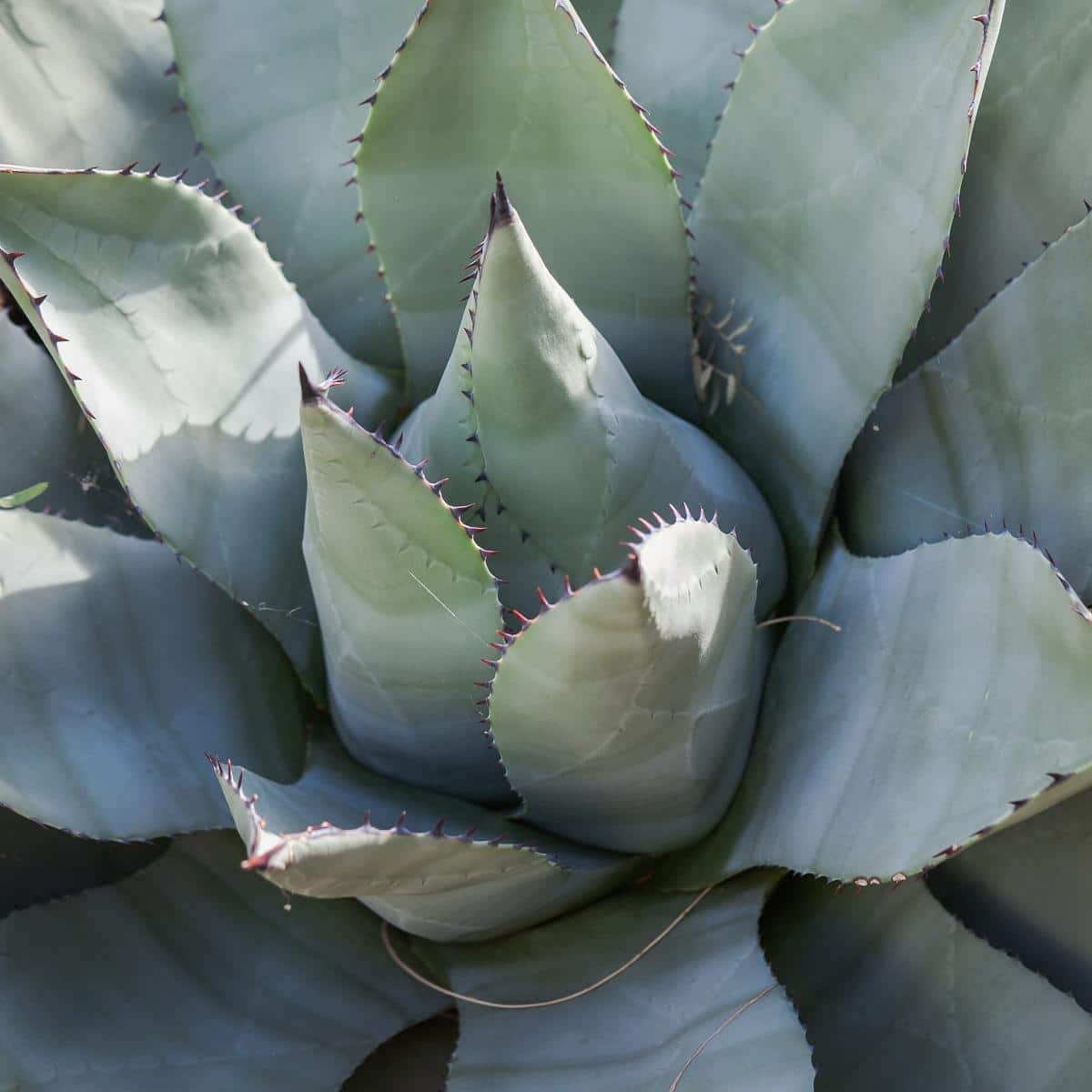
Image - Wikimedia / Diego Delso
What did you think of the Agave parryi?
Table of Contents