

Succulent plants with leaves, that is, succulents, caudiciformes and the occasional cactus, can be affected by various pests, one of the worst being aphids. These insects are small, but when they come together in large numbers they are capable of greatly weakening them to the point that, unless we avoid it, they end up putting the lives of their victims at risk.
But you don't have to worry about anything: in this article I will explain how to eliminate aphids from succulents with home remedies and chemicals.
What is a biosimilar
Aphids, also known as plant lice, are very small insects, measuring about 0,5 cm in length, and are green, yellow, or black in color . Their bodies are oval-shaped, and it is not easy to distinguish where the head, thorax, and abdomen begin. They may or may not have wings; if they do, they will have two relatively small pairs.
They have 4 to 6 segmented antennae. Towards the end of their abdomen, they have two siphons or cornicles, which are small, erect appendages that point backward or upward, through which they secrete substances that repel predators. They produce a sugary secretion from their anus as a result of digestion.
Interestingly, they have established a symbiotic relationship with ants . The ants feed on the aphids' secretions in exchange for protecting them.
How do I know if my succulent has?
The easiest way is to thoroughly inspect the entire plant. Aphids feed on leaf cells , especially the tenderest ones, as well as flower buds, so that's where you should look for them.
Other symptoms that we will notice will be the following:
- Flower buds that do not open
- Deformed blades
- Growth arrest
- Presence of ants
What to do to eliminate them?
Home remedies to combat aphids
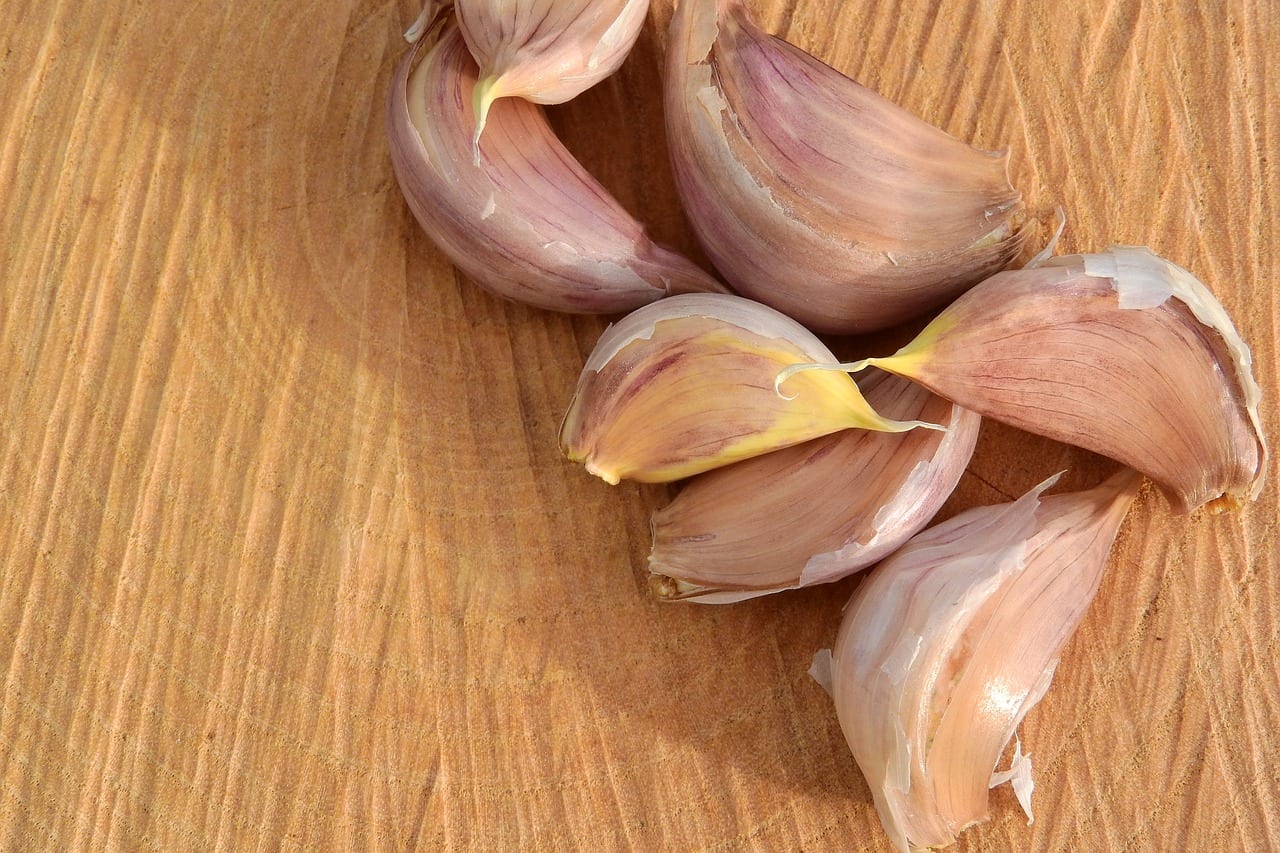
There are several, which are:
- Garlic or onion: either of the two will help you fight them. Chop two-three garlic or an onion and put them in a saucepan with water until it boils. Then, let it cool down and pour the entire contents into a sprayer / atomizer to finally use it.
- Horse tail: put 100g of fresh plant in 1l of water for 24 hours. The next day, bring it to a boil and then let it cool. Then dilute it in 1/5 water and fill a sprayer / atomizer for use.
- Nettle: you have to macerate 100g of fresh plant in 1l of water for 15 days. Stir the mixture daily. After that time, strain it and dilute 100ml of solution in 500ml of water.
- Soap: you have to dilute 1 tablespoon of neutral soap in 1l of water.
- Tansy: make an infusion with 300g of Tanacetum vulgare or Tanacetum cinerafolium leaves and 10l of water. Then let it cool for 10 minutes, strain it and apply it on the succulents.
- Brush and pharmacy alcohol: if the plant is small and / or has few leaves, you can take a small brush and soak the brush with pharmacy alcohol. With a little patience, you will only have to clean the sheets one by one.
- Yellow sticky traps: They are specially designed traps to attract aphids, which stick as soon as they come into contact with them. You will find them in any nursery and also by clicking on this link.
Chemical remedies
When an aphid infestation is severe, the best course of action is to treat with chemical insecticides specifically designed for aphids. However, it's crucial to follow the instructions precisely, otherwise the cure could be worse than the disease.
You can get them at any nursery too, or here.
With these tips, your succulents will no longer have to worry about aphids. But you know that if you have any doubts, I don't like you to leave them unanswered.
Table of Contents