

Image – Flickr/cskk // Lobivia arachnacantha
If there's one thing cacti are known for, besides their spines, it's their flowers. They don't last very long, it's true, but their shape, color, and size are simply perfect for making our plant collection look even better. But if we want to have flowering cacti, it's important to first clarify that all species produce them.
Some take many years, sometimes decades, like columnar cacti, while others take much less time, such as Mammillaria. So now all that's left is to choose the plants we like best.
Astrophytum myriostigma

Image - Flickr / Cerlin Ng
Astrophytum myriostigma is a type of Astrophytum endemic to Mexico, known as the star plant. It has 3-7 distinct ribs and grows to about 40 centimeters tall and 20 centimeters in diameter. Its body is dark green with numerous white spots or tassels. It blooms in spring and summer, producing yellow flowers about 5 centimeters in diameter. It can tolerate temperatures down to 4°C and thrives in full sun.
Cleistocactus winteri
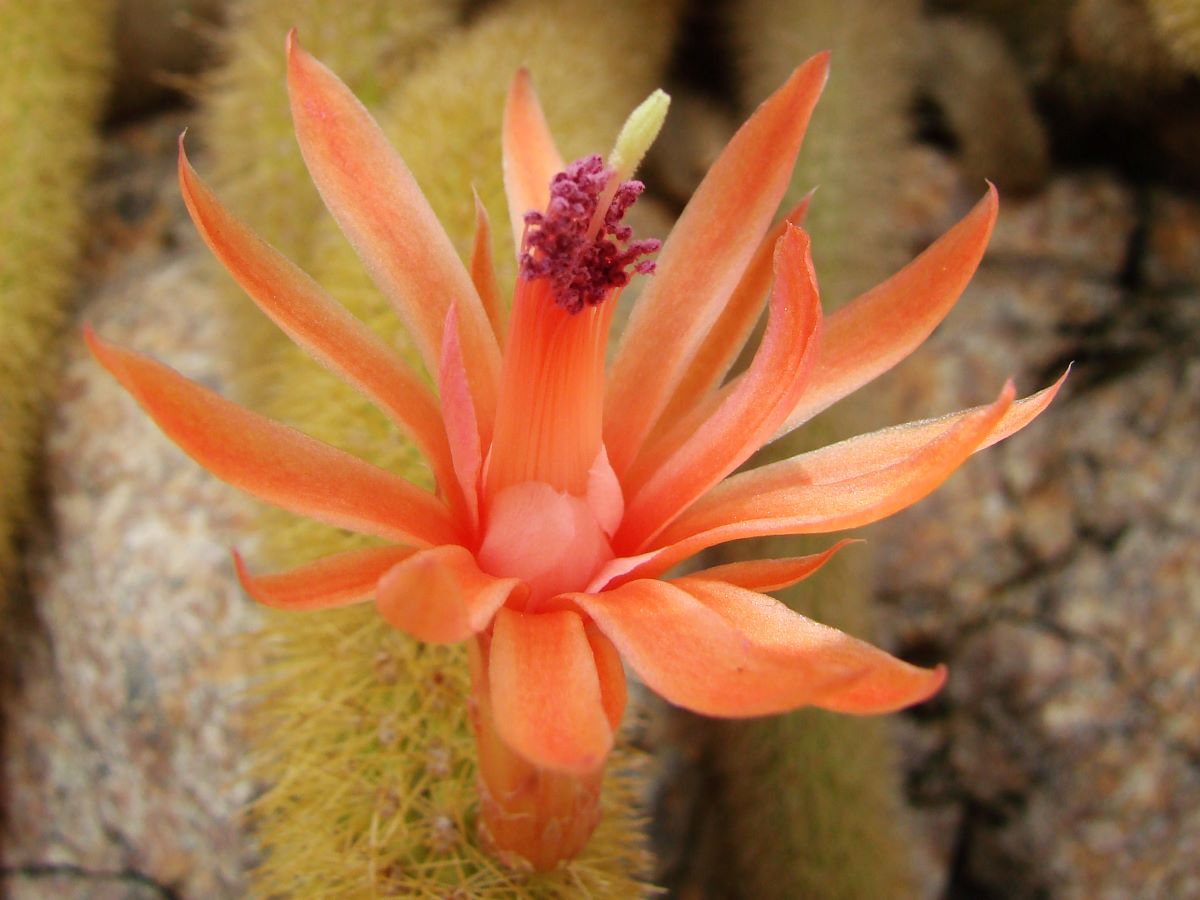
Image - Flickr / edgeplot
Cleistocactus winteri is a climbing cactus endemic to Uruguay and Argentina, sometimes called rat's tail. It develops cylindrical stems that can reach up to one meter in length, protected by yellow spines up to one centimeter long. In spring and summer, it produces pink flowers about five centimeters in diameter . It needs sun or partial shade to grow and can withstand temperatures down to -3°C.
Disocactus flagelliformis
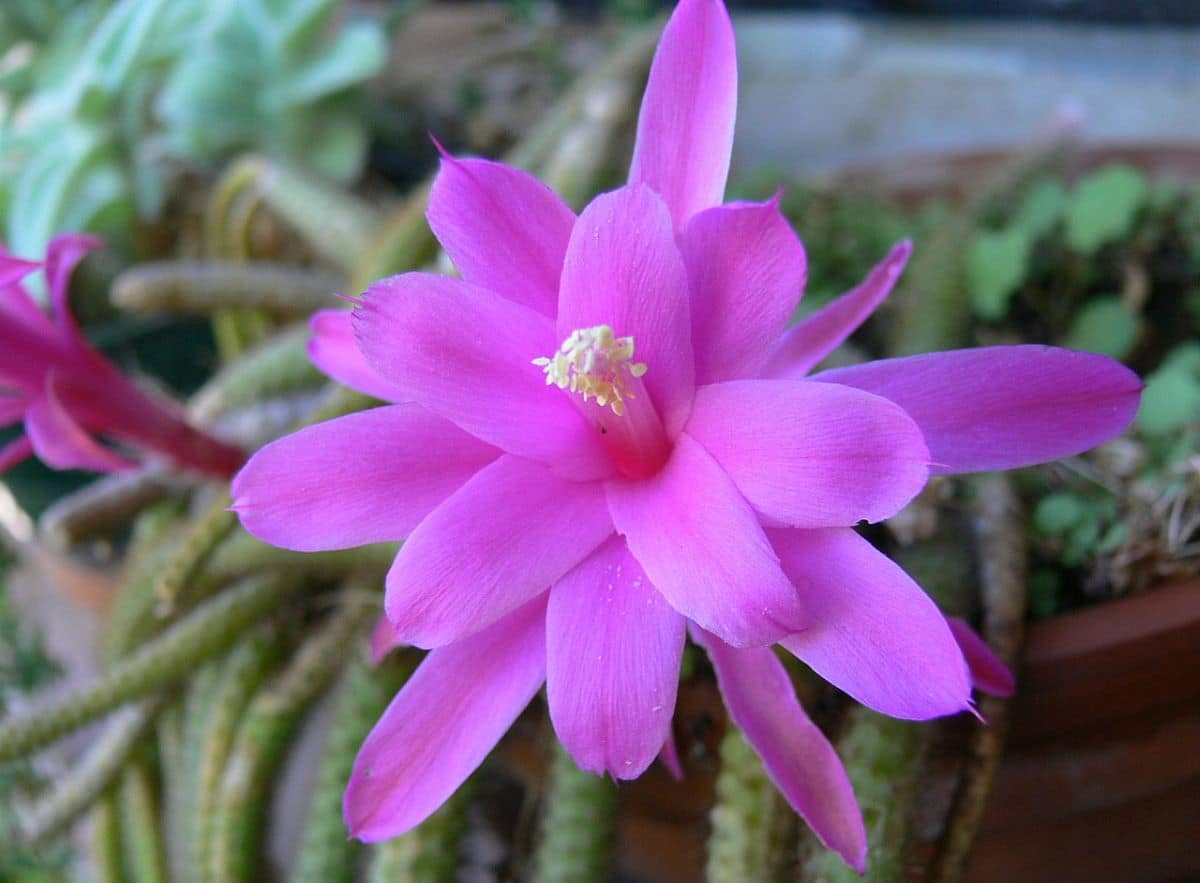
Image - Wikimedia / Jodelet / Lépinay
Known as the rush cactus, Disocactus flagelliformis is an epiphytic species endemic to Mexico. It has cylindrical stems, up to 1 meter long, protected by spines 5-7 millimeters long. The flowers are pink or red, with a diameter of up to 7 centimeters . It does not tolerate cold, so if temperatures in your area drop below 10ºC, it will need protection. Furthermore, unlike most cacti, D. flagelliformis needs shade or partial shade, not direct sunlight.
Echinopsis chamacereus
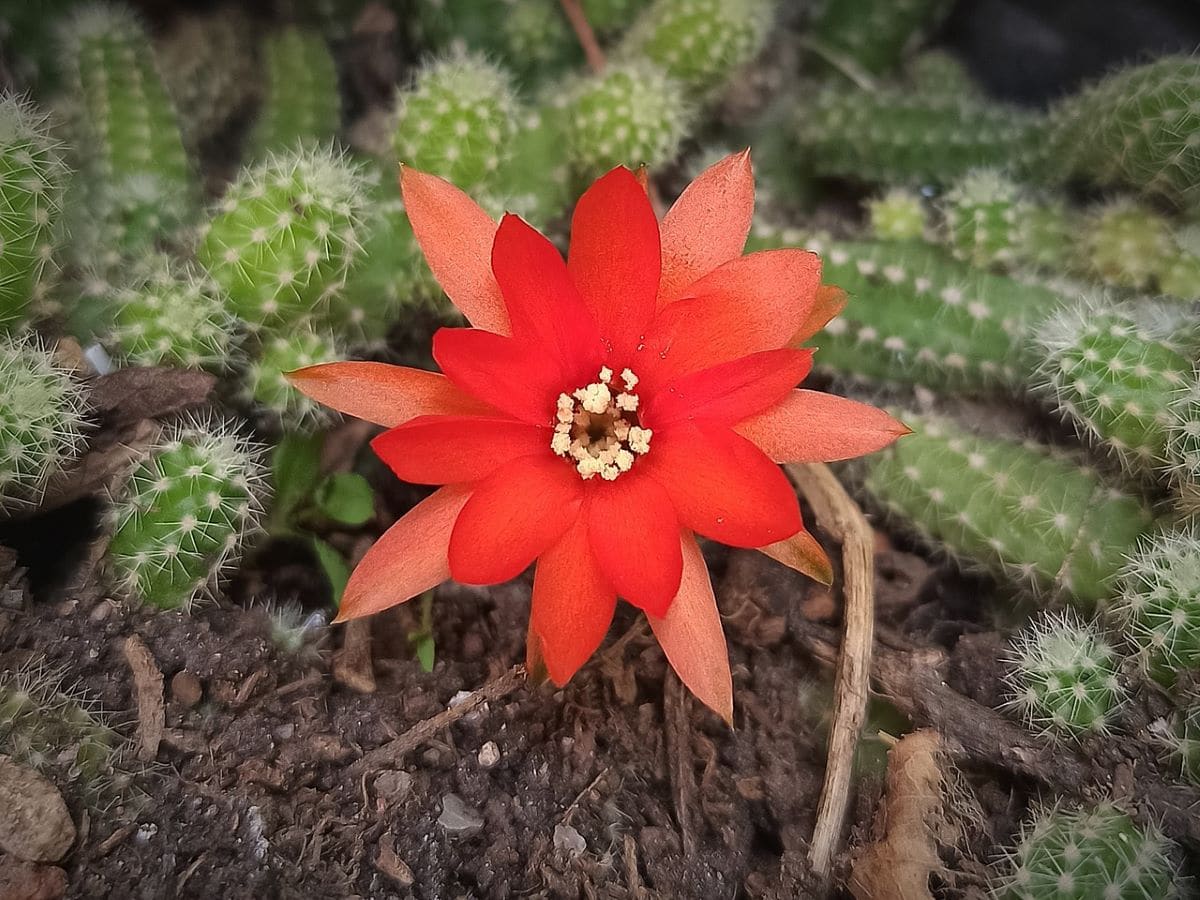
Image - Wikimedia / Juan Carlos Fonseca Mata
Echinopsis chamaecereus is a cactus endemic to Argentina, with green stems that darken when exposed to sunlight. These stems are protected by short, white spines, about 1,5 millimeters long, making them relatively harmless. From mid-spring to early summer, it produces red flowers about 4 centimeters in diameter . It tolerates light frosts, down to -2°C, and thrives in both sun and partial shade.
Epiphyllum oxypetalum
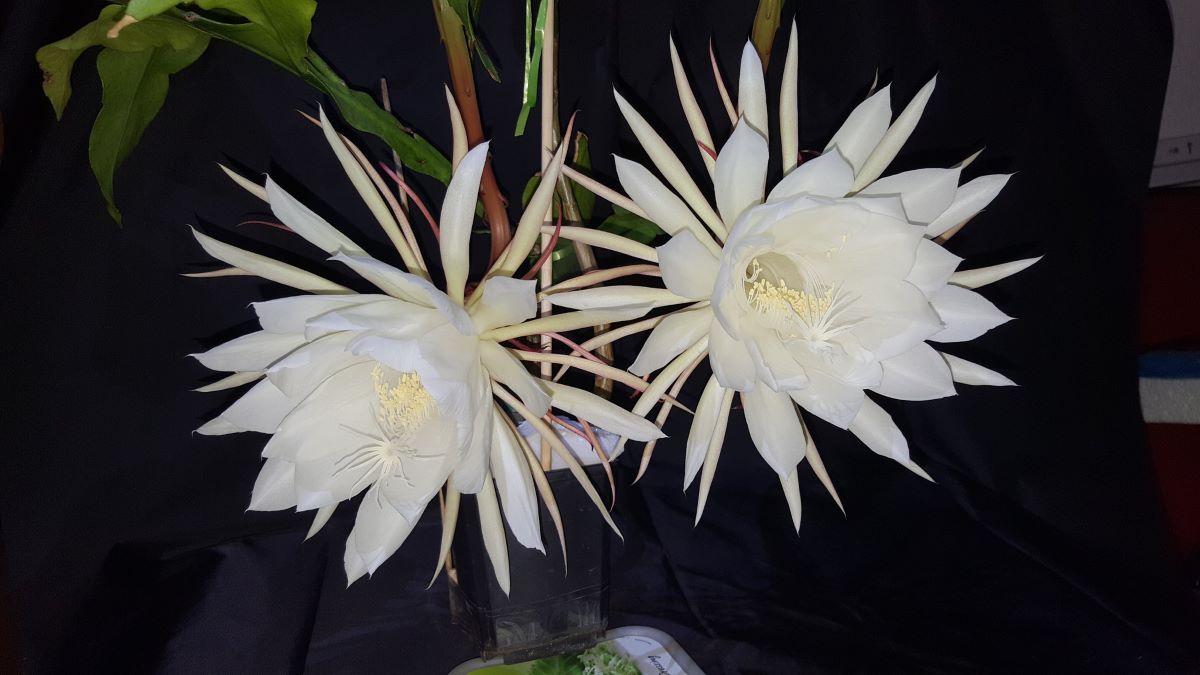
Image - Flickr / Norbert Käßner
Epiphyllum oxypetalum , commonly known as the night-blooming jasmine, is an epiphytic cactus native to tropical America. It develops flat stems 2 to 3 meters tall, provided it has a support or other trellis to climb. The flowers are white, bloom at night, and measure 25 centimeters in diameter . It can thrive in full sun or partial shade and tolerates cold temperatures but not frost.
Ferocactus hamatacanthus
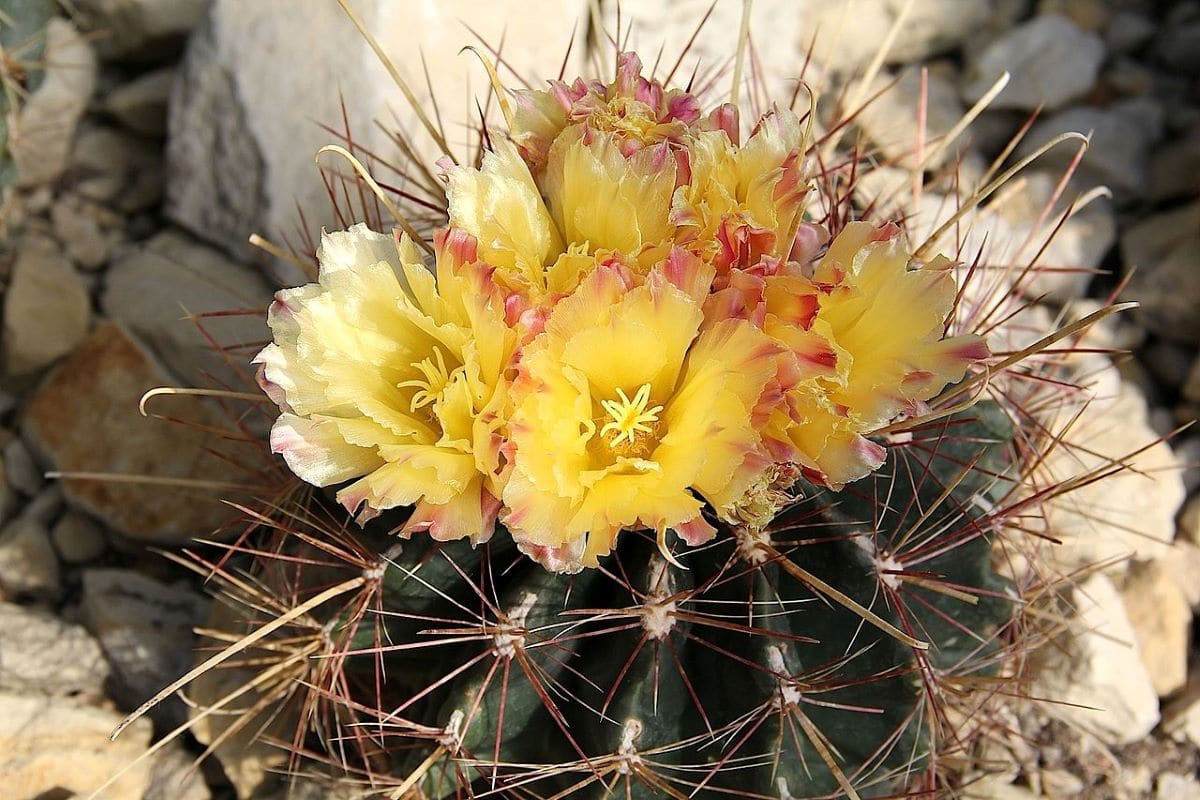
Image - Wikimedia / Peter A. Mansfeld
Ferocactus hamatacanthus is a globular cactus native to Mexico, belonging to the genus Ferocactus . It reaches 60 centimeters in height and has sharp spines up to 7 centimeters long. Its flowers bloom at the top of the plant, are yellow, and measure 5-7 centimeters in diameter . For flowering, it is important that it be placed in a sunny location, as it will not bloom in shade or partial shade. It can withstand frosts down to -4ºC.
Hatiora gaertneri
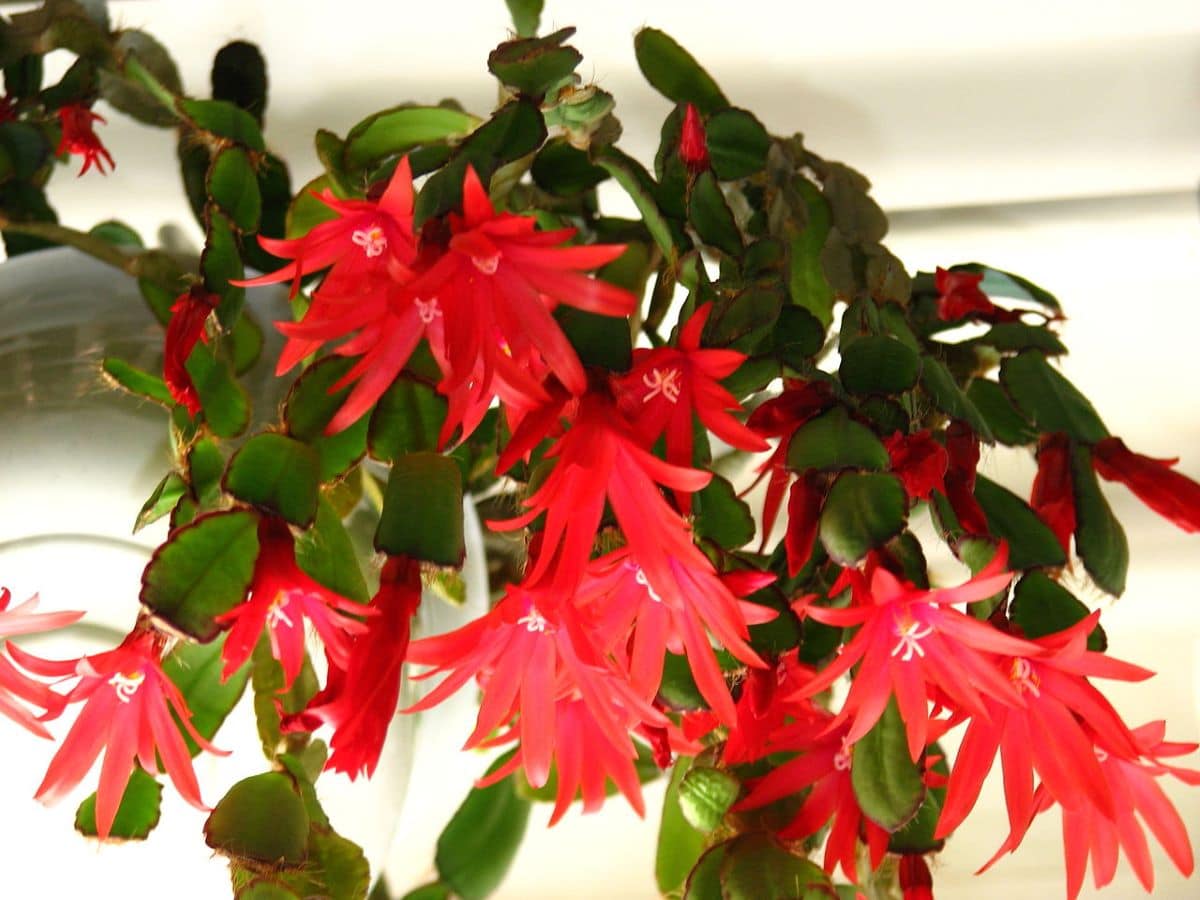
Image - Wikimedia / Peter A. Mansfeld
Hatiora gaertneri , known as the Easter cactus, is an epiphytic species endemic to Brazil that develops flattened, highly branched green stems. It can reach up to 1 meter in length, and its scarlet flowers measure between 4 and 7 centimeters in diameter . It needs shade or partial shade and protection from frost.
Mammillaria baumii

Image - Wikimedia / William Avery
Cacti of the genus Mammillaria produce very pretty flowers, but these are usually pink. Mammillaria baumii, on the other hand, has yellow, fragrant flowers about 3 centimeters in diameter . It is endemic to Mexico and grows in clumps of oval-shaped specimens that measure 7 centimeters tall and 6 centimeters in diameter. The spines are short, up to 1,8 centimeters long, and light yellow. It can withstand temperatures down to -2°C, but to thrive it needs a sunny location, or at least one with plenty of light.
rebutia narvaecensis
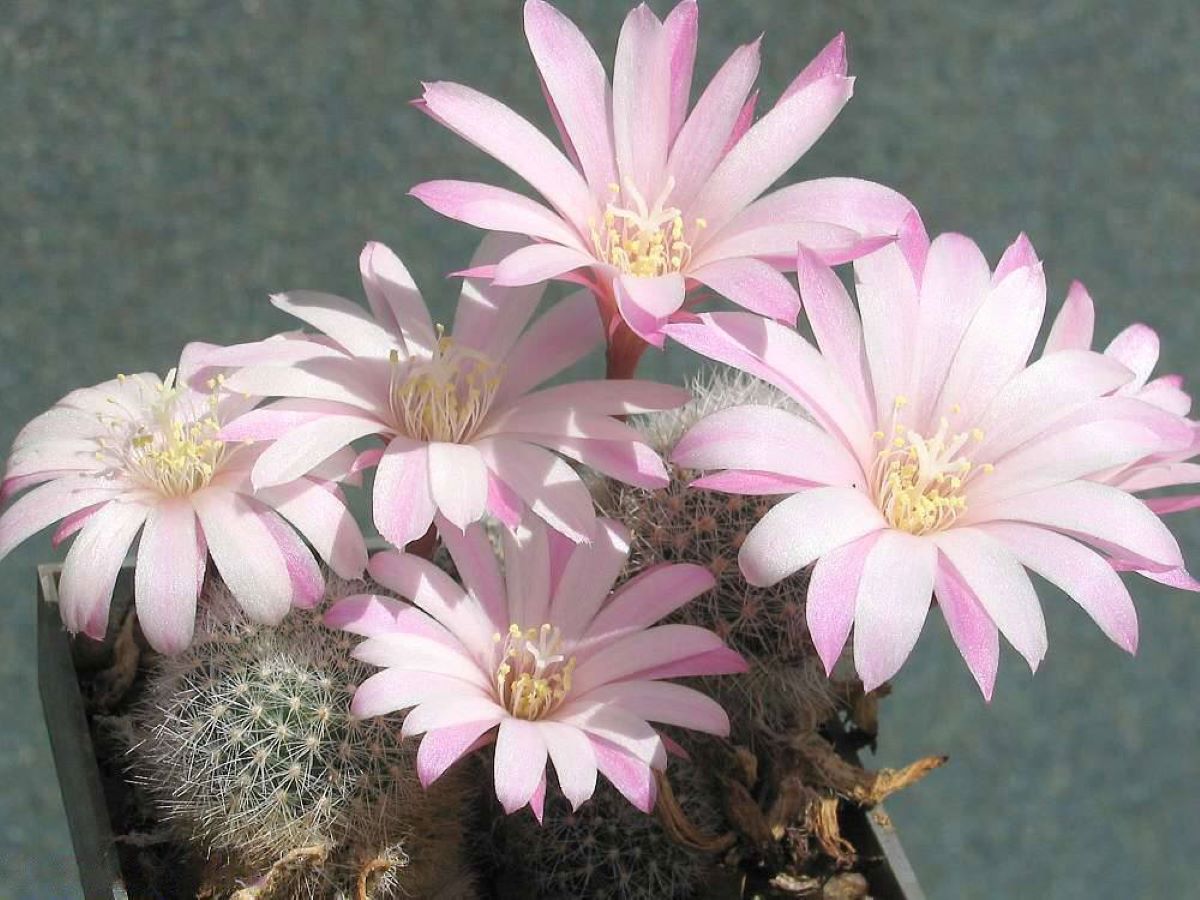
Image - Wikimedia / Sida
Rebutia narvaecensis is a type of cactus in the genus Rebutia, endemic to Bolivia. It forms small clumps composed of stems 2-4 centimeters tall covered in white spines. The flowers are pink and about 3,5 centimeters in diameter, so when they emerge, the stems are almost completely hidden behind their petals . It can withstand temperatures down to -4ºC and needs to be placed in the sun to thrive.
Schlumbergera truncata
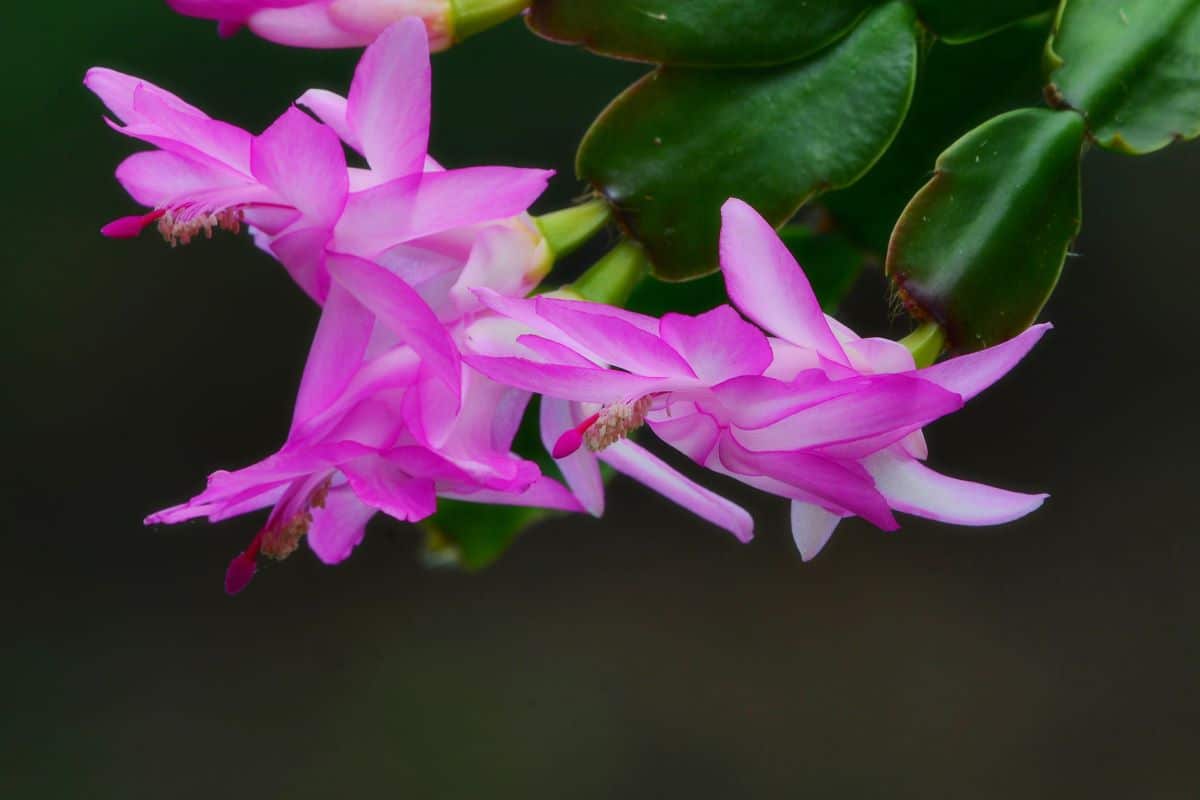
Image - Flickr / Alejandro Bayer
The Schlumbergera truncata , or Christmas cactus, is an epiphytic plant native to Brazil, widely used as a hanging plant both indoors and outdoors. It develops flat, green, spineless stems that can reach 60-70 centimeters in length. During the winter, it produces white, red, purple, or pink flowers , but for this to happen, it needs protection from frost and a sheltered location in the shade.
Which of these flowering cacti did you like the most?
Table of Contents