CiberCactus

  • POKER CHIPS
    • Cactus
    • Succulents
    • Plants with caudex
  • Care
    • Fertilizer
    • Diseases
    • Multiplication
    • Pests
    • Irrigation
    • Substrates
    • Transplant
    • Location
  • Curiosities
    • About
Trends:
  • Types of Aloe vera
  • cacti with flowers
  • Types of cacti
  • shade succulents
  • Types of aloe

Transplant

How many times have we bought a cactus, a succulent or a plant with caudex thinking that it can be in that same pot for a long time? And, how many have we planted in the garden at a time that was not the most appropriate?

Well then. These are two of the most common mistakes we tend to make with succulents, because although it is true that the vast majority have a rather slow growth rate, the reality is that if their roots do not have the space they need, sooner or later they will end up weakened and, consequently, diseased.

To truly enjoy them , it's essential to remember to transplant them , as this task is almost as necessary as watering or fertilizing. But of course, it's also crucial to know how to do it correctly to avoid problems, since the root system isn't as resilient as one might initially think.

Therefore , it's important to know when and how to do it , trying not to handle the succulents too much. The less we do it—that is, the less we disturb their roots—the better, as it will be easier for them to take root in their new location and, therefore, the sooner we'll see them resume growth.

It's also important to know that no plant is accustomed to transplanting . In their natural habitats, wherever the seed germinates, that's where it will remain for the rest of its life. It's possible that an animal or even a strong wind might break the seed and leave cuttings scattered around, but it doesn't matter: if all goes well, they will develop their own roots and remain there.

For this reason, one of the things to know when acquiring succulents is that they are rather sensitive plants, and it's best not to handle them more than necessary. When repotting them, you need to prepare everything you'll need : a slightly larger pot than the one they're currently in, suitable potting mix, and a watering can or even a spray bottle to lightly moisten the surface of the potting mix once you've placed the plants in their new pot.

I always recommend wearing gloves , regardless of whether the plants you want to transplant to a larger container have spines or not, but especially when planting them in soil. This isn't just for hygiene, but also for safety: our hands touch many things, and in doing so, many microorganisms, such as fungi and viruses harmful to plants, can adhere to our skin. In other words, we can unknowingly become carriers of diseases of cacti, succulents, and caudiciform plants unless we wear gloves that we have washed before using them.

Even so, when we're starting out in this world, it's normal to have many questions . Questions like: What type of pot should I use? How deep should the planting hole be? Do I need to water immediately after transplanting or planting?... among many others whose answers you'll find here , in the Transplanting section. Enjoy!

Full path:

Cyber ​​cactus » Care » Transplant
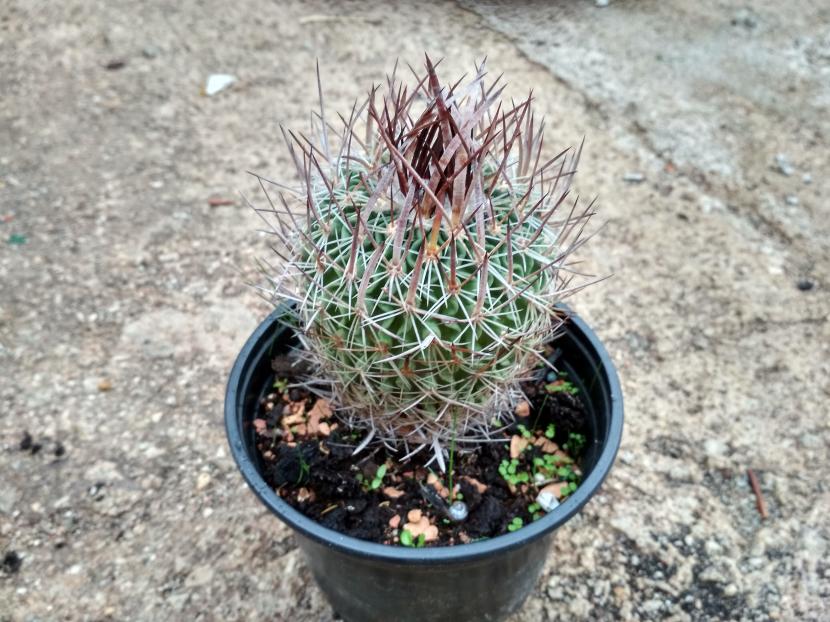
Echinofossulocactus before transplanting

How to transplant a small cactus?

Monica Sanchez

It is very important to change the pot of our cacti so that they can continue their growth. The frequency will vary depending on...
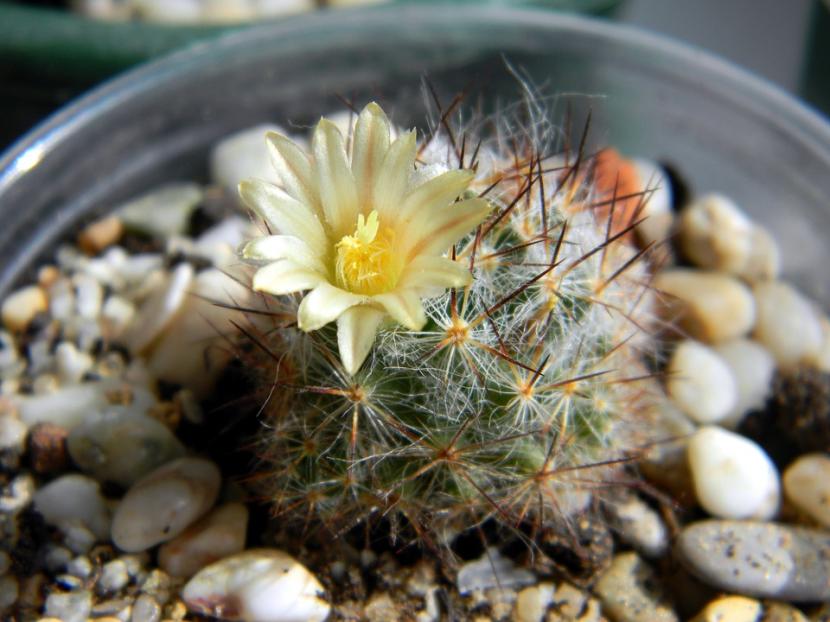
Mammillaria proliferates

When to transplant cacti?

Monica Sanchez

Every time we go to a nursery it is easy for our unconscious -or perhaps conscious  – to take us to...

↑
  • Twitter
  • Facebook
  • Pinterest
  • Instagram
  • RSS Email
  • RSS feed
  • About
  • Editorial team
  • ETHICS COMMITTEE
  • Become editor
  • Legal Notice
  • Contact
CLOSE