

Cereus peruvianus f monstrous
Cereus peruvianus is a columnar cactus that is often kept indoors, but it actually thrives in a brighter area. It has a slow but not excessive growth rate; in fact, it can grow 30 to 50 centimeters longer in a year under the right conditions, making it a good choice to cultivate in a large pot or, even better, directly in the ground.
It is not a demanding type of cactus, but you have to try not to water it too much since it is a plant that excess water would cause irreversible damage.
Origin and characteristics of Cereus peruvianus
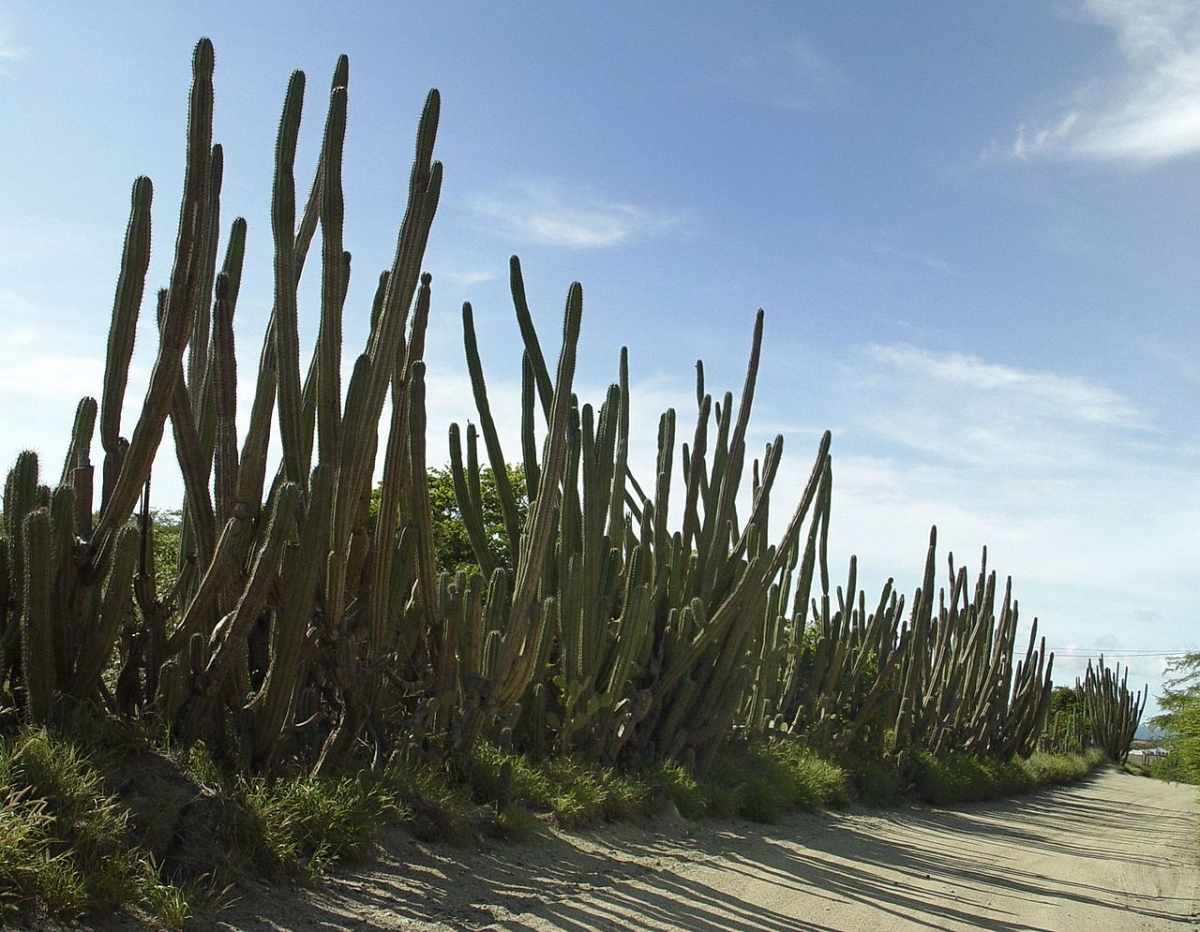
Image - Wikimedia / Serge Melki
Cereus peruvianus , also known as Cereus repandus or Cereus uruguayanus , is a columnar plant that can reach up to 12 meters in height . It develops succulent, bluish-green stems that are cylindrical and branch at the top. These stems have between 5 and 8 broad ribs, with areoles from which very short white hairs and small gray spines, up to 5 centimeters long, sprout.
The flowers only appear on specimens that have already reached a large size. They are white tinged with green and measure about 15 centimeters long . They appear in summer and are nocturnal, meaning they open at nightfall.
To produce fruit, another plant is necessary . If one is present and cross-pollination occurs, after about 40 days, which is roughly how long it takes for them to ripen, we will see that the fruits are red, spineless, and measure between 2 and 5 centimeters in diameter. The pulp is edible, white, and contains the seeds, which can also be eaten within the next 24 hours.
In popular language it is known as the Peruvian apple cactus, hedge cactus, candelabra cactus, Peruvian tree, and even computer cactus since it believed that it absorbed the radiation emitted by the computer. And it is originally from South America, specifically the Western Caribbean.
Caring for the Cereus peruvianus
If you would like to know how to care for Cereus peruvianus , then the first and most important thing you need to know is that, although it will be a very large plant, you must avoid the mistake of planting it in a large pot from a young age , since if you do so you risk losing it due to excess moisture.
And having said that, let's see in detail what care we have to provide to make it last ...
Location
This cactus needs sunlight, but only if it's already acclimated . It's a mistake to put a plant in direct sunlight if it's been in the shade, as it will burn quickly. Therefore, it's essential to start in partial shade and then gradually acclimate it to direct sunlight.
If it is to be grown indoors, it is advisable to place it in a room where there is a lot of light as well, but not right in front of the window.
Earth
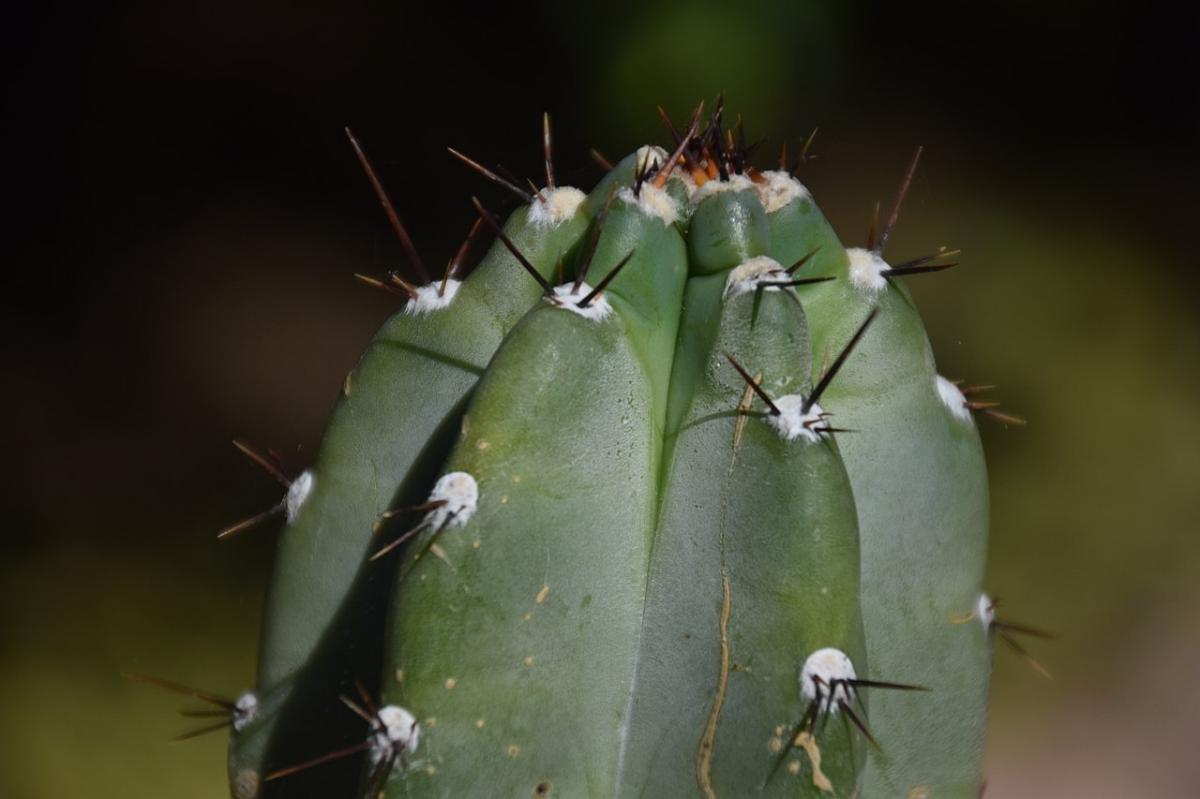
Image - Wikimedia / Krzysztof Golik
- Flower pot: if you are going to have your Cereus peruvianus in a pot, you have to make sure that the container has holes in the base. As a substrate, use cactus soil, or mix peat with perlite (for sale here) at 50%.
- Garden: the soil must have good drainage. If it is heavy and has a tendency to compact a lot, make a hole of about 50 x 50 centimeters and fill it with pumice (for sale here).
Irrigation
The soil should be allowed to dry out between waterings . This cactus does not tolerate waterlogging, so if you have any doubts, check the moisture level of the substrate before watering.
Use rainwater whenever possible, or bottled water.
Subscriber
It's advisable to fertilize it with a cactus fertilizer once a week or every two weeks, depending on the product instructions. The ideal months for this are spring and summer, as this is when the cactus is actively growing. This will ensure it stays healthy and thrives.
Multiplication
Cereus peruvianus is propagated by cuttings and seeds in spring, as follows:
- Cuttings: you have to cut a piece that is about 30 centimeters long, and then leave it in a dry and shady place for a week. After that time, plant it in a pot with pumice or quality cactus soil, such as this.
- Seeds: the seeds are sown in seedbeds that are wider than they are tall, separated from each other, with a substrate for cacti or a specific one for seedbeds. If all goes well, they will germinate in about two weeks.
Transplant
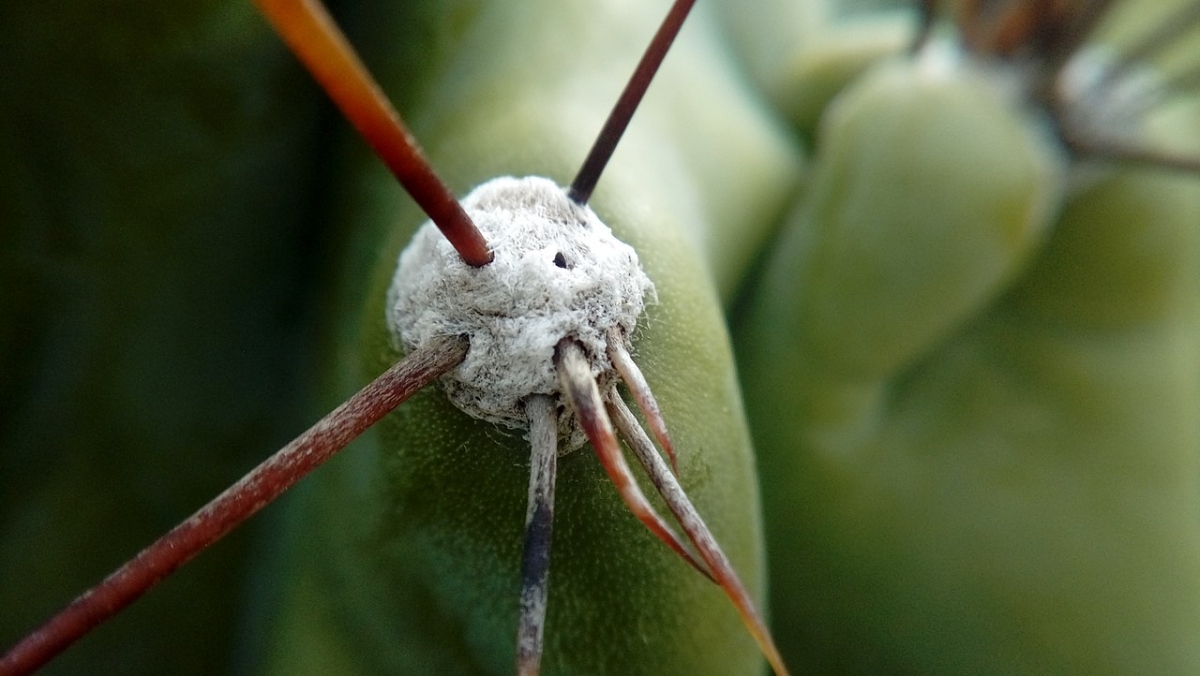
Image - Wikimedia / Duro4.
Transplanting is done in spring , but only if the cactus has rooted well; that is, only if its roots are visible through the drainage holes of the pot. If so, it should be carefully removed and planted in a larger pot than the one it's currently in, or in the garden.
Rusticity
It withstands frosts down to -4ºC , provided they are short-lived and occasional.
Do you have a Cereus peruvianus?
Table of Contents