

Coryphantha ramillosa
Cacti are a type of plants that you don't know what to do with when winter arrives: do they get indoors? Do they stop watering? Don't they fertilize them? These and many other doubts assail the minds of beginners (and not so beginners) every year.
We know that they come from the deserts of America and therefore do not like intense frosts, except for a few species, but how do you care for cacti in winter if they are not in their natural habitat?
The truth is, it's not as difficult as we might imagine. However, we must be aware of one thing: everyone has their own way of doing things, and therefore, we can find different advice on different websites, in books, and in magazines . Why? Because everyone lives in a particular place, with its own unique perspective.
For this reason, I'm going to tell you, in general terms, the care you should provide to your cactus during the coldest season of the year so that you can enjoy the plant and, most importantly, get to know it.
Irrigation
Let's start with the basics: watering. There are many who will tell you that you don't have to water them at all during the whole season; others that you have to water them at least once a month, and others every 15 days. Who should you believe? None of them.
Observe your cactus, the soil it's in, and its location . Pay attention to the weather forecast for your area to see if rain is expected. To make it even easier to know whether or not to water it, here are some tips:
- If it's going to rain or freeze, don't water. The drier the soil, the better, since this way the roots will not be too affected.
- Make sure the soil is dry before moistening it again. To do this, you can insert a thin wooden stick to the bottom and see if it comes out clean when you remove it, in which case you can water.
- Use irrigation water at room temperature, unless you live in an area with a climate where frosts occur regularly. In this case, it is more advisable to warm it a little (about 35-37ºC).
- Do not forget to remove the excess water from the cactus plate that you have outside 10 minutes after watering.
- It is also not a good idea to let the plant become "wrinkled". When it reaches that extreme, it is because it has been so thirsty that to survive it has had to consume all the water reserve inside.
Location
Now let's talk about location. This is a slightly less complicated issue than the previous one, but it's still often difficult to know where to place this plant. To find the best solution, keep in mind that it needs direct sunlight (unless you bought it from a nursery where it was protected from the sun. In that case, it's best to gradually acclimate it to the sun, exposing it for longer periods each time, starting in spring).
But, apart from the lighting, there are other factors to take into account so that everything goes well:
- moisture: inside the home it has to be low since otherwise the cactus would rot even if it was not watered excessively.
- air currents: if they are very cold it can be damaged.
- frost: if they occur, it must be protected either inside the house or with a plastic.
Subscriber
"Fertilizing cacti in winter? That's crazy, isn't it?" No, it's not. Well, not always. Plants need water to live, but they also need nutrients. During the colder months of the year they barely grow, but a mineral fertilizer can do them a lot of good , especially the more sensitive species.
When Nitrofoska Blue comes into contact with the roots, it warms them, protecting them from the low temperatures outside . A small teaspoon every 15 days can be a good way to better cope with the winter and ensure a strong resumption of growth in spring.
I only advise against fertilizing those plants that are weak or diseased, as the roots could easily be burned by the fertilizer.
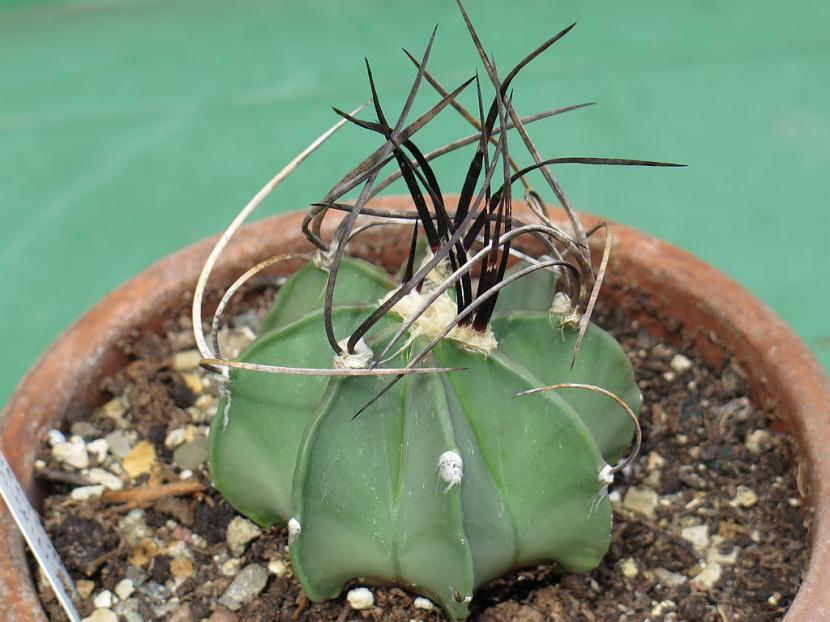
Astrophytum crassispinum
And that's all for this season. With these tips we can already have some beautiful cacti, but if you still have questions, don't leave them unanswered. Ask .
Table of Contents