

Echinofossulocactus multicostatus
It's very important to repot your cacti so they can continue to grow. The frequency will vary depending on the species, but generally, they will all need more space two years after their last repotting. How do you do this correctly?
If you don't know how to transplant a small cactus, don't worry. You just need a little patience… and to follow these tips.
What do I need to transplant a small cactus?

To successfully change your pot to your plant, the most important thing you must do is prepare what you will need, which is:
- Flower pot: it is essential that it has holes for drainage and that it is between 2 and 3 centimeters wider than the previous one. It can be of two types:
- Plastic: it is very light and inexpensive, but over time it breaks. Still, it is the most advisable if you plan to have a cactus collection.
- Terracotta: it is somewhat more expensive, but it is very decorative and also allows the roots to take root well.
- Substratum composed of 50% coarse sand (pomx, perlite, akadama or washed river sand) and 50% black peat.
- Watering can with agua
- Gloves gardening
How to transplant it step by step?
Step 1 - Remove the cactus from the pot
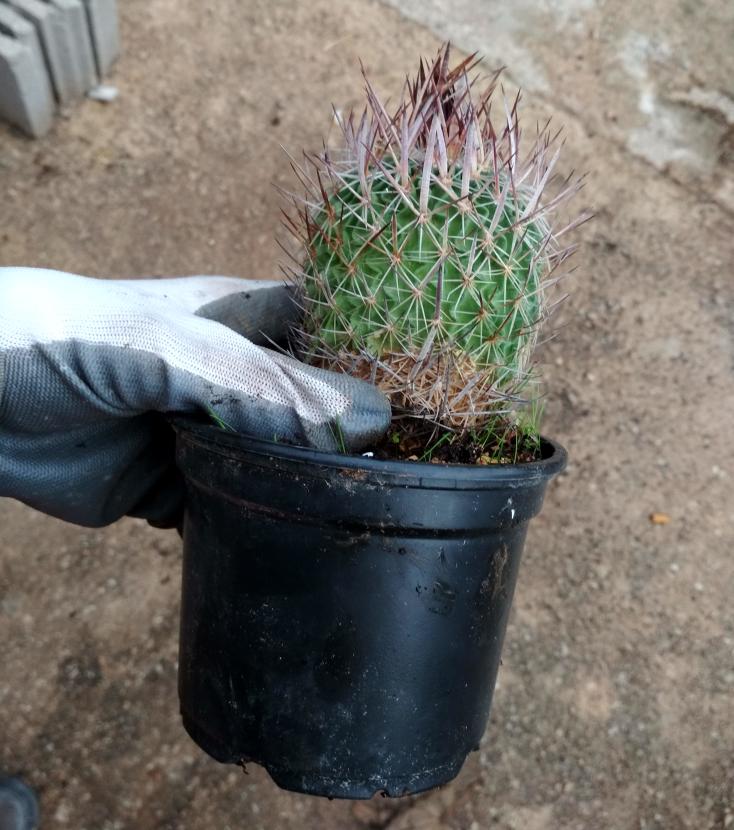
How do you remove a cactus covered in spines from a pot without damaging it? First of all, you should put on gloves ; this will protect your fingers, which is a big help 😉. Then, hold the pot with one hand, tilt it slightly, and tap it gently on the sides to loosen the root ball. If it has really sharp, long spines, lay it on its side on the ground; this will make it much easier.
Next, place one hand at the base of the cactus and the other at the base of the pot. Now, pull the plant upwards and the pot downwards . If it doesn't come out easily, tap the edge of the pot and try again. If it has many roots sticking out of the drainage holes, the best option is to take a pair of sewing scissors and cut open the pot.
Step 2 - Remove any herbs it may have

Once the cactus is out of the ground, it's time to remove any weeds that have sprouted, as they are stealing nutrients from the soil. Make sure to pull them out by the roots to prevent them from growing back.

This is how this Echinofossulocactus multicostatus has turned out.
Step 4 - Fill the pot with the cactus substrate that you have made
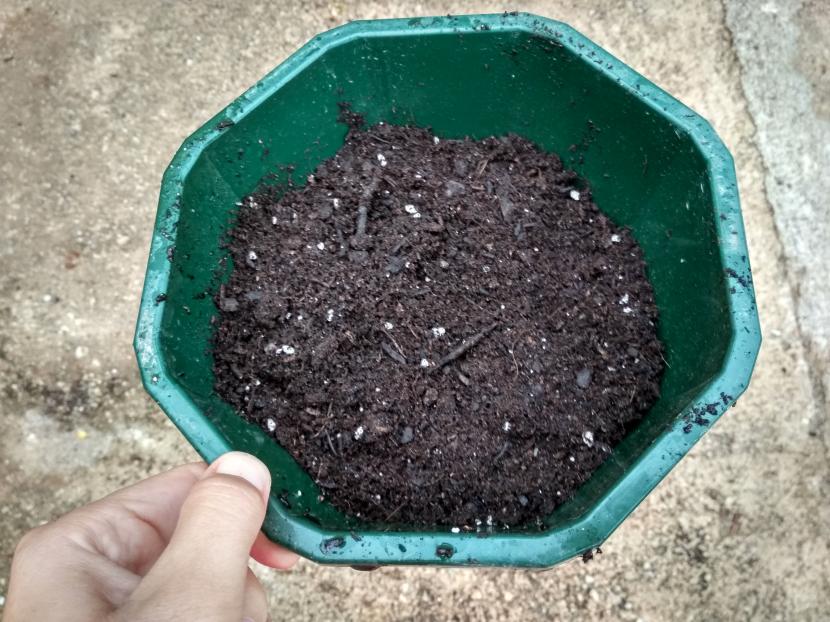
Now, you need to fill the new pot with potting mix. As you can see, for the Echinofossulocactus, I've chosen a wide, shallow pot . Why? Because this plant tends to thicken rather than grow taller. If you need to repot cacti with a globular shape, this type of pot is best ; however, if they are columnar, I recommend choosing pots that are roughly as tall as they are wide, or slightly taller.
In any case, you should fill it, leaving space for the root ball . If it's a very small cactus in a 5,5cm or 6,5cm diameter pot, you can fill it completely and then make a hole in the center with two fingers.
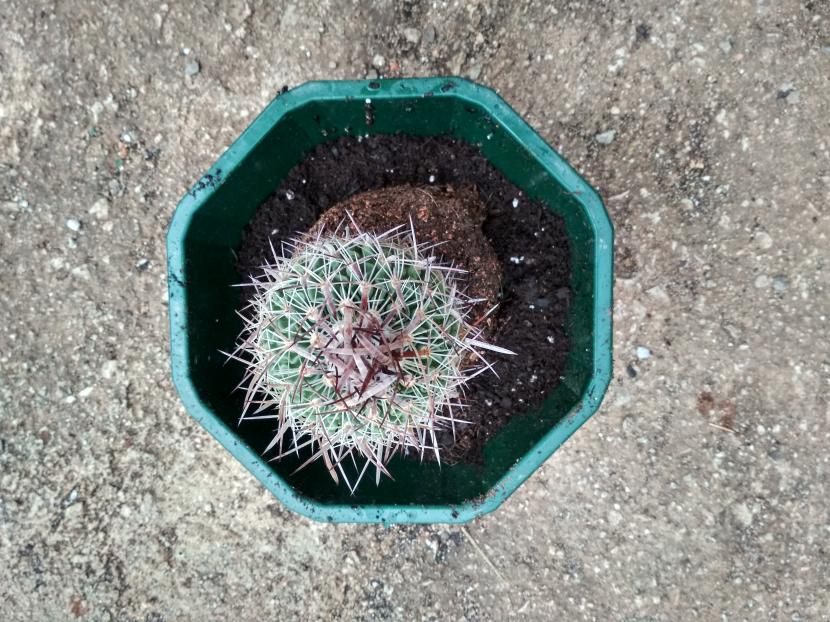
Place the cactus right in the center (I know, it looks off-center in the photo, but I promise I centered it properly 😉). Make sure the base of the cactus is level with the edge of the pot or slightly below. If necessary, remove it and add or remove more potting mix.
Step 5 - Finish filling and don't water for a week.

Once you've ensured the cactus is centered in its new pot, finish filling it with more potting mix . To make it look nicer, you can add small decorative stones to the surface, or even medium or coarse sand.
What's the last thing to do? Water it? No. If it were any other type of plant, you would water it, but since it's a cactus, it's best to wait a week before resuming watering . It needs that time to get used to its "new home." You could water it after transplanting and it probably wouldn't hurt, but there's a risk it could weaken or even rot, so you need to be patient.
In the meantime, you can continue enjoying and showing off your plant .
How do I know if my cactus needs a transplant?

Mammillaria marksiana
Transplanting, a task that should be done in spring and can also be done in autumn if you live in an area without frost or with very light and infrequent frosts, is essential for potted cacti. Over time, their roots can fill all the available space, depriving them of nutrients. For this reason, they need to be repotted occasionally, especially if:
- You have never transplanted it, or it has been more than two years since you last transplanted it.
- Roots grow out of the drainage holes in the pot.
- You have not noticed any growth in the last year.
- If it is a globular cactus, it has almost literally started to come out of the pot, adopting an almost columnar shape.
In any of these situations, transplanting is an urgent necessity , so don't hesitate to follow the steps above to help your cactus regain its vitality.
Do you have any doubt? Go ahead and leave it in the Comments. I will reply to you soon.
Table of Contents