

Image - Wikimedia / Dornenwolf
Cacti of the Rebutia genus are small, which is why they can be grown in pots throughout their lives, where they will also produce so many flowers that even their bodies could be hidden behind the petals.
While all cactus flowers are beautiful, those of the Rebutia are often among the favorites , along with those of the Echinopsis and Lobivia, for example. Want to know what these cacti look like and how to care for them? Let's begin.
Origin and characteristics of the Rebutia
This is a genus of cacti native to South America, specifically Argentina, Peru, and Bolivia . There are about 40 different species, all of which are small plants with globular bodies from which new shoots emerge. Unlike other cacti, the ribs are somewhat difficult to distinguish, although the distinct tubers are clearly visible.
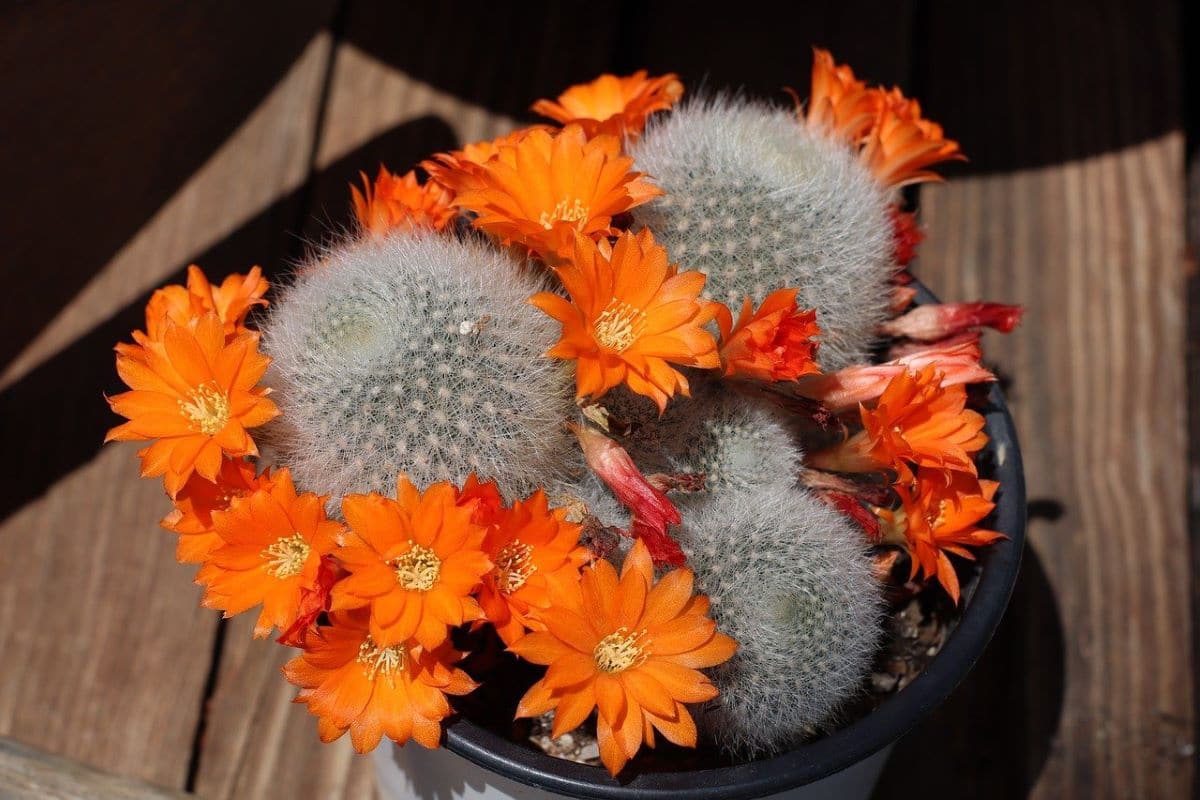
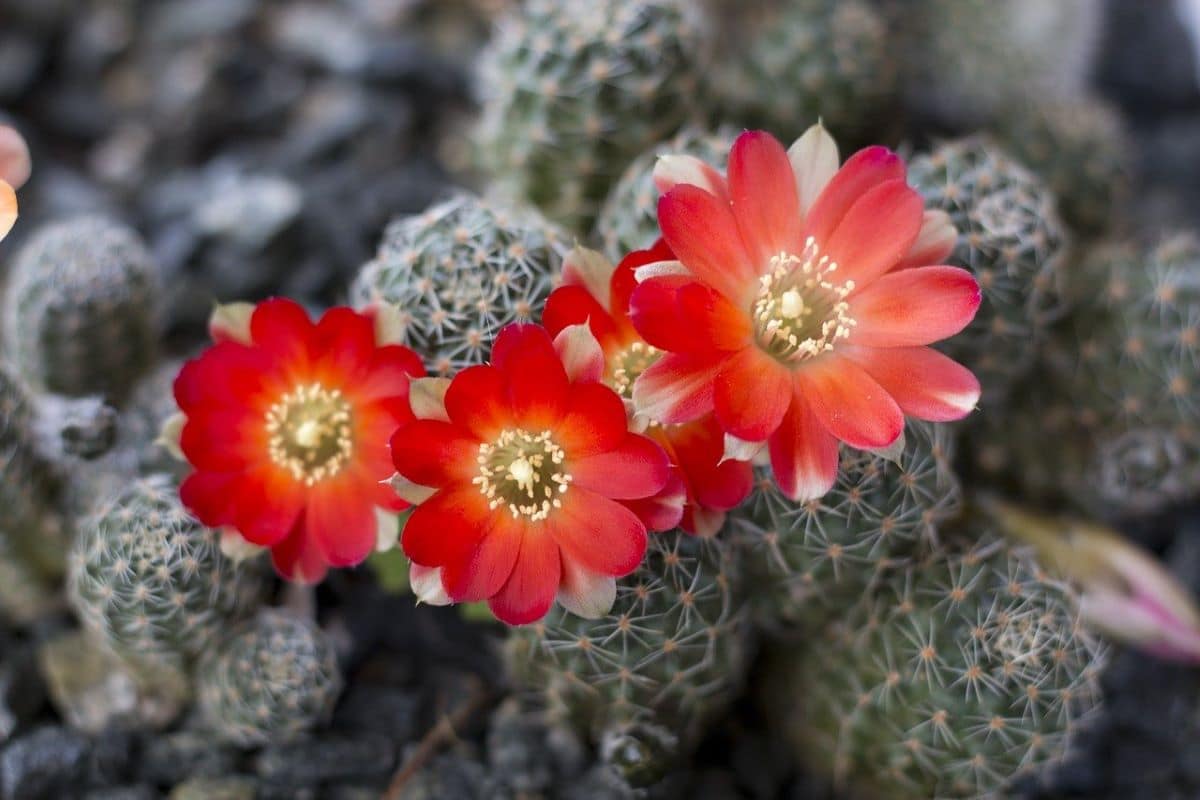
The flowers bloom about halfway up each stem, so when they flower they look like they have a crown . They measure about 2-5 centimeters in diameter, and are generally yellow, red or orange, but can be white in some varieties.
Main species
First of all, it is important that you know that many species that were previously in the Rebutia genus are now in the Sulcorebutia genus. Even so, since there are some Sulcorebutia that are still known by their old name, we have also included them. Get to know them:
Rebutia arenacea
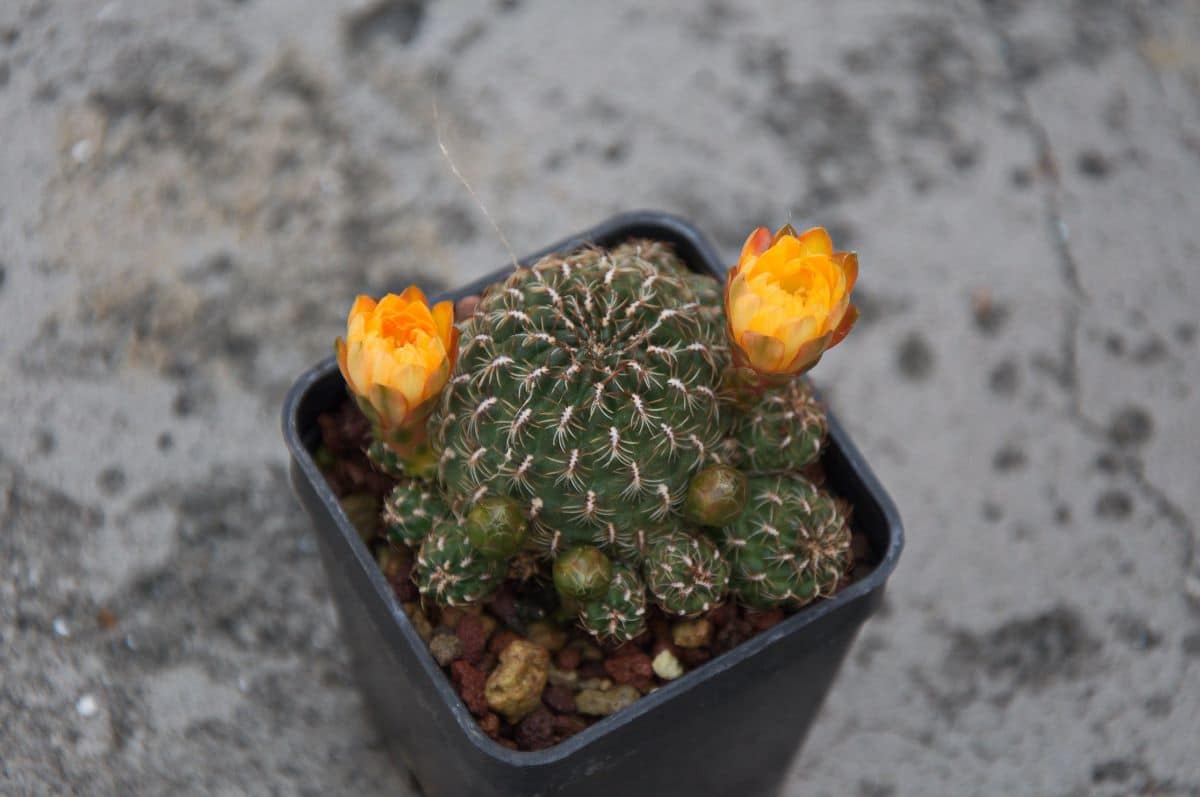
Image - Flickr / Stefano
Rebutia arenacea is a cactus endemic to Bolivia, now known as Sulcorebutia arenacea . It usually grows solitary, but sometimes sprouts from its body. It measures 5 centimeters in diameter by 10 centimeters in height, and its yellow flowers can reach 5 centimeters in size.
heliosa rebutia
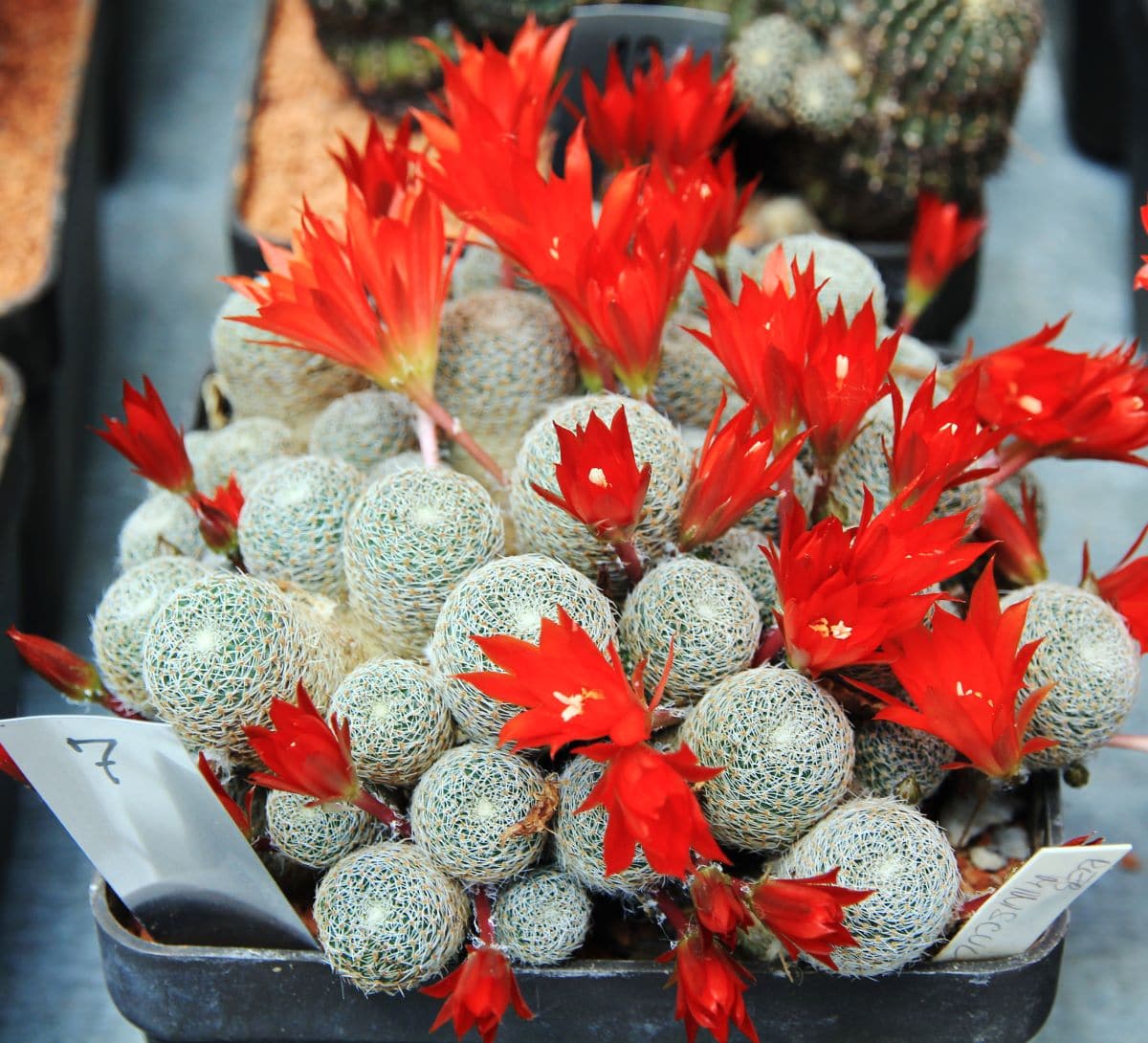
Image - Wikimedia / Karelj
Rebutia heliosa is also endemic to Bolivia. It grows in clumps, which can exceed 20 centimeters in diameter. It reaches a height of 10-15 centimeters and produces orange, yellow, or even purple flowers.
rebutia krainziana
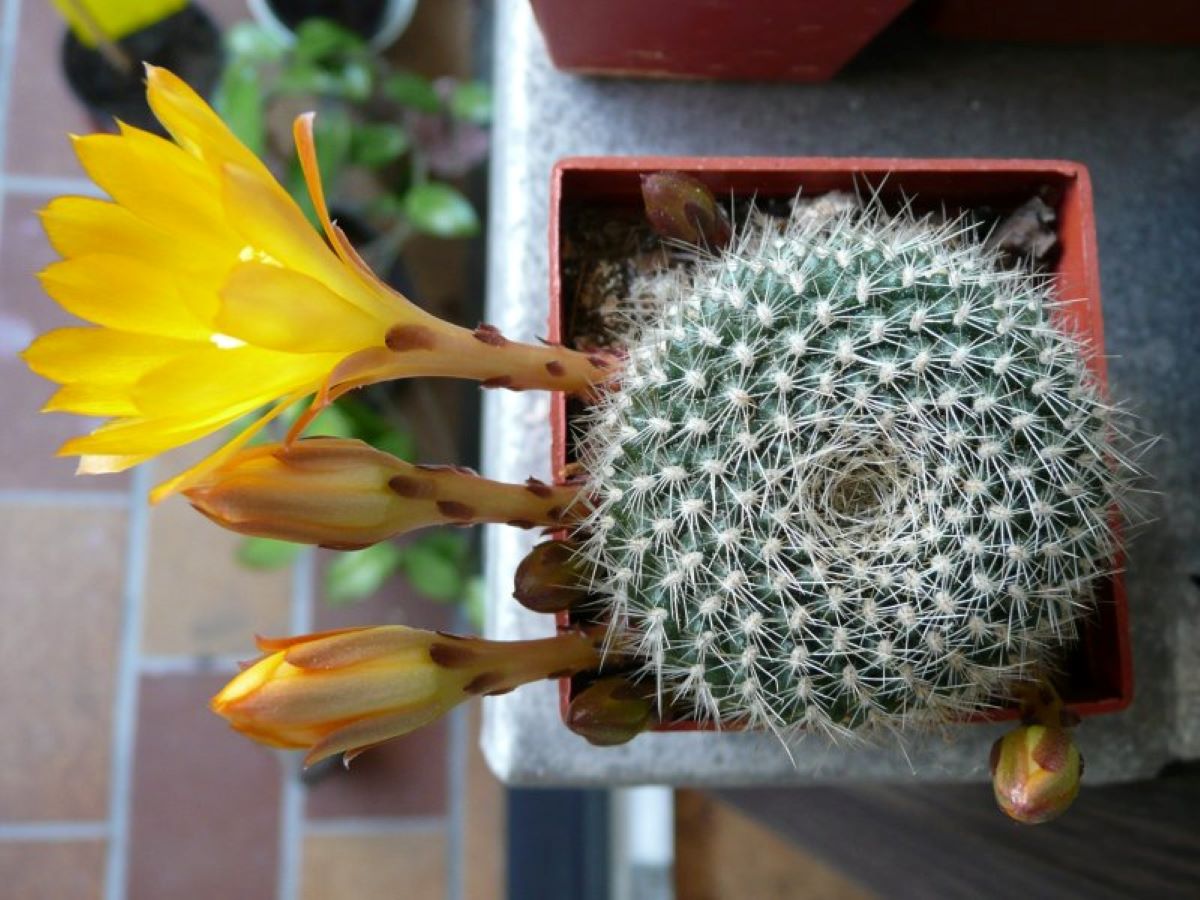
Image - Wikimedia / Don Manfredo
Its current name is Rebutia marsoneri . It is endemic to Argentina and is a cactus that forms clumps about 7 centimeters tall and 20 centimeters in diameter. Its flowers can be yellow or orange.
Minuscule rebutia

Image - Wikimedia /? ? HQ
Rebutia minuscula , as its name suggests, is a small plant. In fact, it rarely exceeds 5 centimeters in height. It is endemic to Argentina and grows in loose clumps. Its flowers measure about 2-3 centimeters in diameter and are pink, red, or yellow.
rebutia perplexa
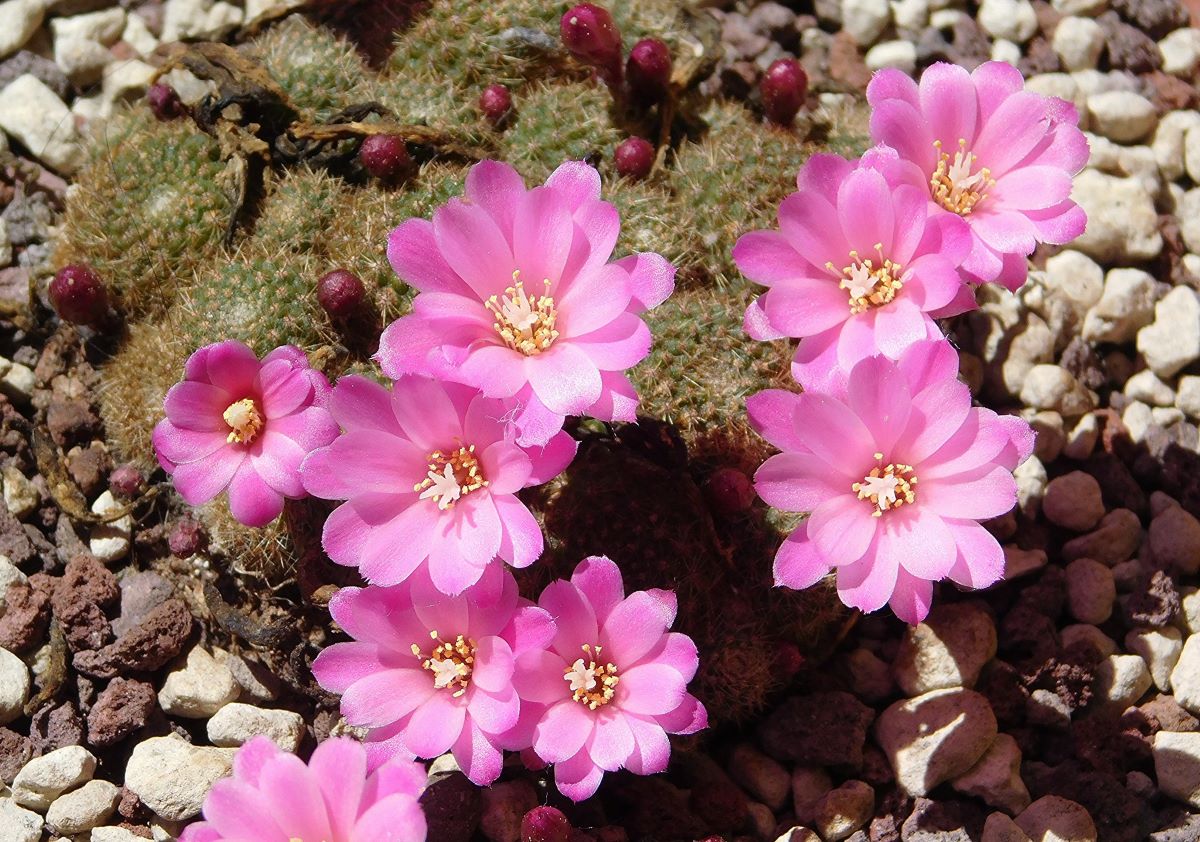
Image - Wikimedia / Resenter1
Rebutia perplexa is a cactus native to Bolivia. It forms very tight clumps, so that at first glance they appear to be a sphere, measuring about 15-20 centimeters high and up to 30 centimeters in diameter. Its flowers are pink.
Rebutia pymaea
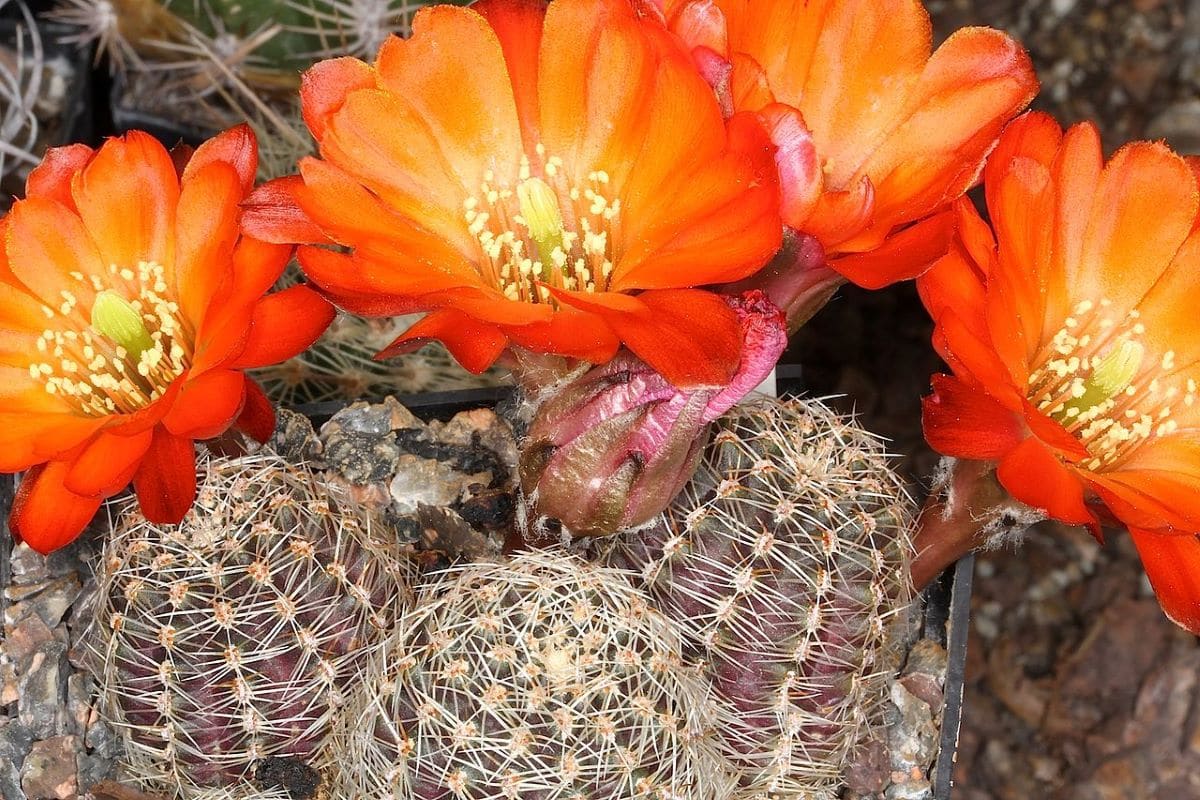
Image - Wikimedia / Peter A. Mansfeld
Rebutia pygmaea is a species that grows in Argentina and Bolivia. It tends to grow in clumps, reaching a height of about 5 centimeters and a thickness of about 3 centimeters. The flowers are red, yellow, or orange.
What is the care of the Rebutia?
They are cacti that, in cultivation, need basic care in order to survive, especially when they are kept in pots. For this reason, now we are going to talk about everything we have to do to make them well:
Location
They should be kept in a bright area . Direct sunlight all day isn't necessary, but it's advisable. However, they can be grown in partial shade if they only receive direct sunlight for a few hours.
But if in the nursery they had them protected from the sun's rays, it is important that, once at home, they are also placed in a protected area but with great clarity.
Earth
- Flower pot: black peat must be mixed with perlite (for sale here) in equal parts. In case you don't get it, a high-quality cactus substrate will do, such as this.
- Garden: the land must be sandy, with excellent drainage. As we are talking about small cacti, if the one we have is very compact, you can make a hole of about 50 x 50 and fill it with pumice, or cactus soil.
Irrigation
Watering should be infrequent. Water once or twice a week in warm weather, and approximately every 15 days in winter . If your area experiences frost or frequent rain, do not water unless the soil is very dry.
If you have them in pots, do not put a plate under your Rebutia because otherwise the roots could rot, unless said plate was drained each time it was watered.
Subscriber
Both in spring and summer, it's highly recommended to fertilize them with a fertilizer specifically formulated for cacti. It's essential to follow the instructions on the product label; otherwise, you won't achieve anything (in fact, you risk applying a higher dose than recommended, which could cause serious problems for the plants, even leading to their death).
Multiplication
The rebutias multiply by seeds and by division (separating the suckers) in spring or summer.
- Seeds: they should be sown in small pots, if possible wider than tall, with previously watered soil for cacti. Cover them with a thin layer of soil, and put them in semi-shade.
- Division: if your rebutia has suckers, you can separate them with a previously disinfected and dry knife, when they are about 2-3 centimeters in size. Then, infuse the foundation with rooting hormones (on sale here) and plant them in pots with cactus soil or vermiculite (for sale here).
Plagues and diseases
It's sensitive to overwatering and excessive moisture, which can cause it to rot . Therefore, it's important to let the soil dry out between waterings. Also, if you live in an area with high humidity, it's best to keep them in pots with pumice, a substrate that allows the roots to receive the air they need to thrive.
Also, in summer they can also have mealybugs, but being small plants they are quickly removed with water and a small brush for example.
Rusticity
They can withstand the cold and light frosts (down to -2ºC), but only if these are brief . Even so, it's best to protect them in a greenhouse if the temperature drops below 0 degrees.
What did you think of the Rebutia?
Table of Contents