

Echinocactus grussonii
When we think of cacti, a plant full of thorns immediately comes to mind, which cannot have any use other than ornamental, but the truth is that it may surprise us. And a lot, since there are a series of species that are also useful in the kitchen.
So if you want to know what the uses of cacti are , you're about to find out.
Ornamental use
-

- Echinopsis oxygona

-
- Lobivia winteriana
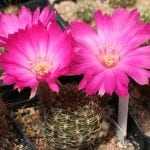
-
- Rebutia brunneoradicata

Let's start with the one we all know: their ornamental use. Cacti have simple yet incredibly beautiful shapes . Their spines, whether short or long, red, orange, yellow, or black, are some of the most striking parts of their stems. And that's not even mentioning their flowers.
The flowers of many of them equal, and even surpass, the floral beauty of other plants . Echinopsis, Lobivia, Rebutia… who can resist such wonder?
Defensive use
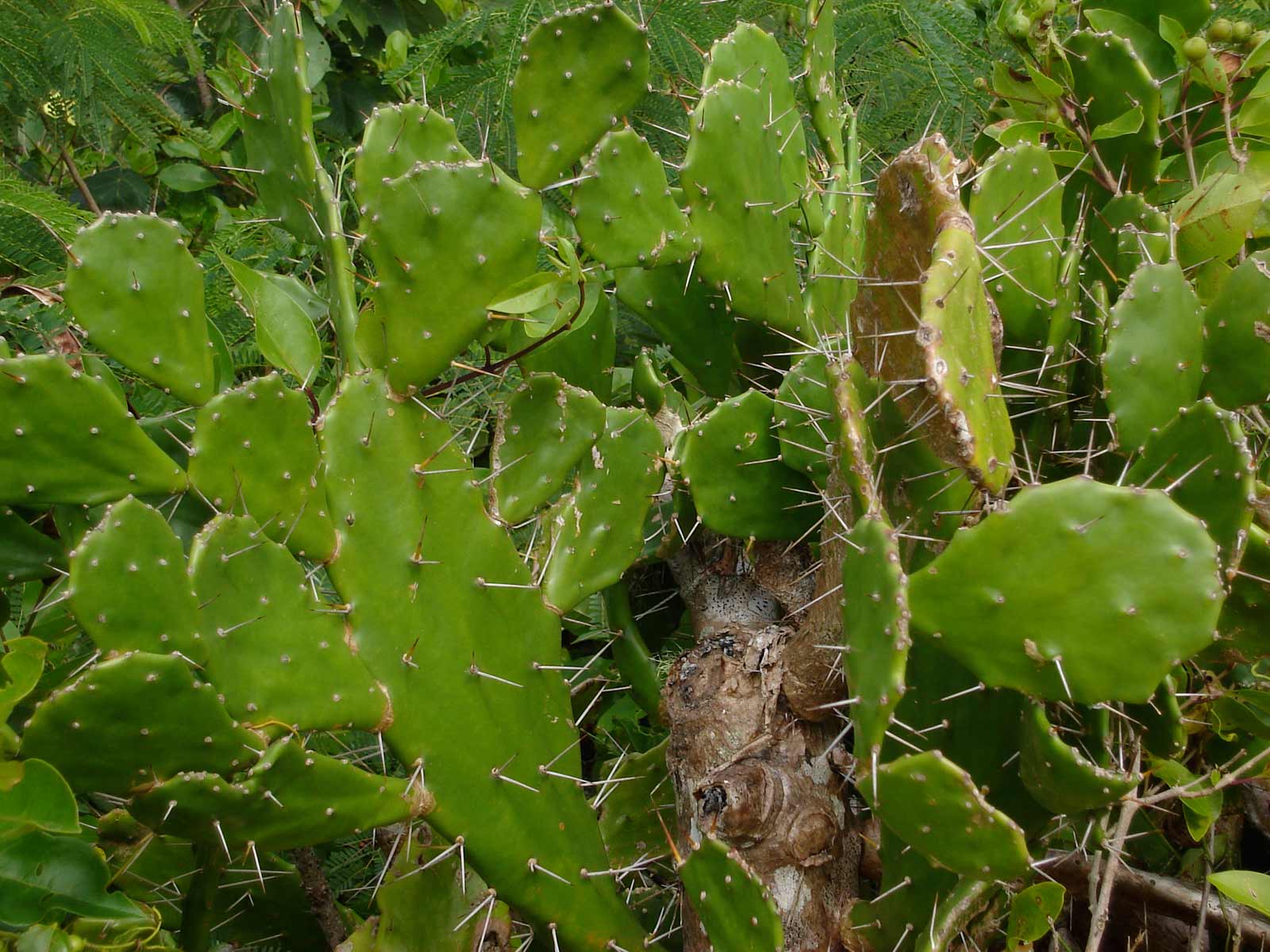
opuntia monacantha
If you own a plot of land in the countryside, you'll likely be interested in a protective hedge. For this, there's nothing better than planting Opuntia cacti around the entire perimeter , especially if you plan to have a cactus and succulent garden.
Culinary use
As we anticipated at the beginning, there are several cacti that can satisfy our hunger or, at least, calm our stomach a little. They are as follows:
As a vegetable

The young shoots of the Opuntia tuna are eaten as a vegetable. If you fancy a different kind of salad, try adding some shoots to it. 😉
Fruits
-
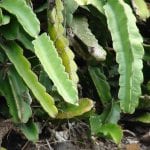
- Hylocereus undatus
-
- Opuntia streptacantha

-
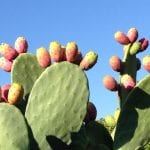
- Opuntia ficus-indica
-
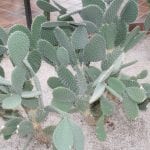
- Opuntia leukotricha
-
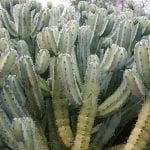
- Myrtilocactus geometrizans
The cacti that produce edible fruits are:
- Opuntia ficus-indica: called prickly pear, its fruits have a fresh and pleasant flavor.
- Opuntia streptacantha: its fruits are refreshing.
- Opuntia leukotricha: its fruits have a lemon flavor.
- Hylocereus undatus: called pitahaya, its fruits have a strawberry flavor.
- Myrtilocactus geometrizans: they taste similar to blueberries.
To make flour

Indigenous tribes in the southeastern United States make flour from the seeds of Carnegiea gigantea (saguaro). This cactus grows very slowly, but if you ever have the chance to see yours fruit and need flour, now you know where to get it.
Have you had any doubts? Do not leave them in the inkwell. Question.
Table of Contents